Pallay Punchu is located at a high altitude, so we recommend spending at least two days in Cusco before taking this tour. Proper acclimatization can reduce the risk of headaches, nausea, dizziness, and excessive fatigue.
The route includes slopes, uneven terrain, and changing weather conditions. You do not need to be an experienced hiker, but you should have a reasonable level of physical fitness and walk at a comfortable pace.
Weather conditions can change quickly. Even when the morning begins with clear skies, you should carry protection against rain, wind, cold temperatures, and strong sunlight.
The itinerary, schedule, and hiking time may change due to weather conditions, road conditions, traffic, or the pace of the participants.
Pallay Punchu Tour Difficulty
The Pallay Punchu Tour is considered moderate to challenging, mainly because of the altitude. Although the hiking distance is not extremely long, walking above 4,500 meters requires greater physical effort.
The first section of the trail is generally gradual, but some areas near the viewpoint have steeper slopes. The terrain can be dry, rocky, wet, muddy, or slippery depending on the season.
We recommend walking slowly, maintaining steady breathing, and immediately informing the guide if you experience any discomfort.
Best Time to Visit Pallay Punchu
The best time to visit Pallay Punchu is between April and October, during the dry season. These months usually provide more stable trails, clearer skies, and better conditions for photography.
Between June and August, mornings and evenings can be extremely cold, although daytime visibility is generally excellent.
During the rainy season, from November to March, the landscapes become greener, but the trail may be wet, muddy, cloudy, or slippery. Heavy rainfall may also affect access to the area.
Pallay Punchu During the Dry Season
Between April and October, hiking conditions are usually more favorable.
Advantages include:
- Lower probability of rain.
- Drier trails.
- Better visibility of the mountain.
- Good conditions for photography.
- Less mud along the route.
However, temperatures can be very cold during the early morning and late afternoon.
Pallay Punchu During the Rainy Season
Between November and March, rainfall becomes more frequent. During this season, the mountains and grasslands display intense green colors, but hiking conditions can be more demanding.
It is important to bring waterproof clothing, water-resistant hiking shoes, and an extra change of clothes. In the event of heavy rain, road closures, or unsafe conditions, the route may be changed.
Why Visit Pallay Punchu?
Pallay Punchu is an excellent alternative for travelers who want to explore a different and less crowded rainbow mountain. Its remote location provides a more peaceful and authentic experience.
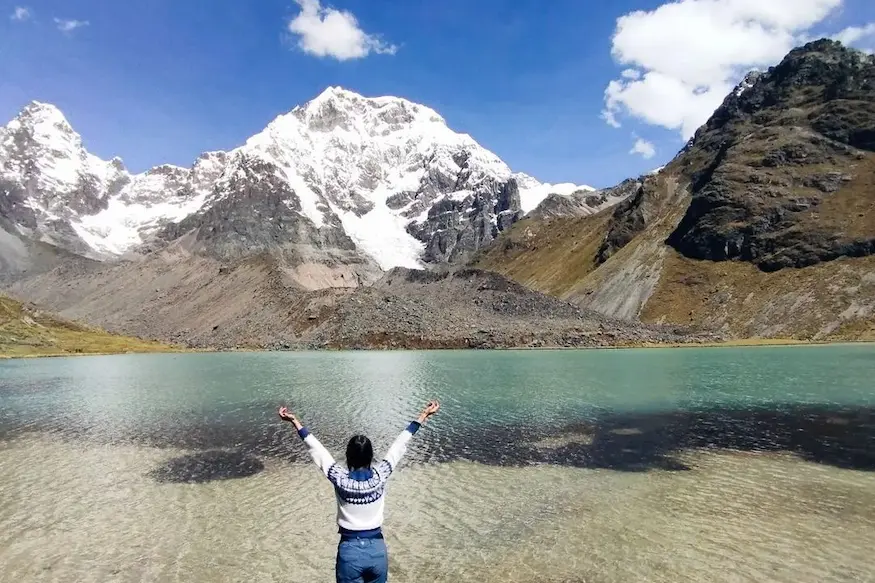
In addition to the mountain itself, the journey offers views of Langui Lagoon, rural landscapes, and the traditional lifestyle of high-Andean communities.
The combination of colorful formations, rocky peaks, lagoons, and mountains makes this destination ideal for landscape photography.
Pallay Punchu vs Rainbow Mountain
Pallay Punchu and Rainbow Mountain are two different attractions.
Rainbow Mountain is better known and receives a much larger number of visitors. Tourist access is more developed, and it is one of the most popular day trips from Cusco.
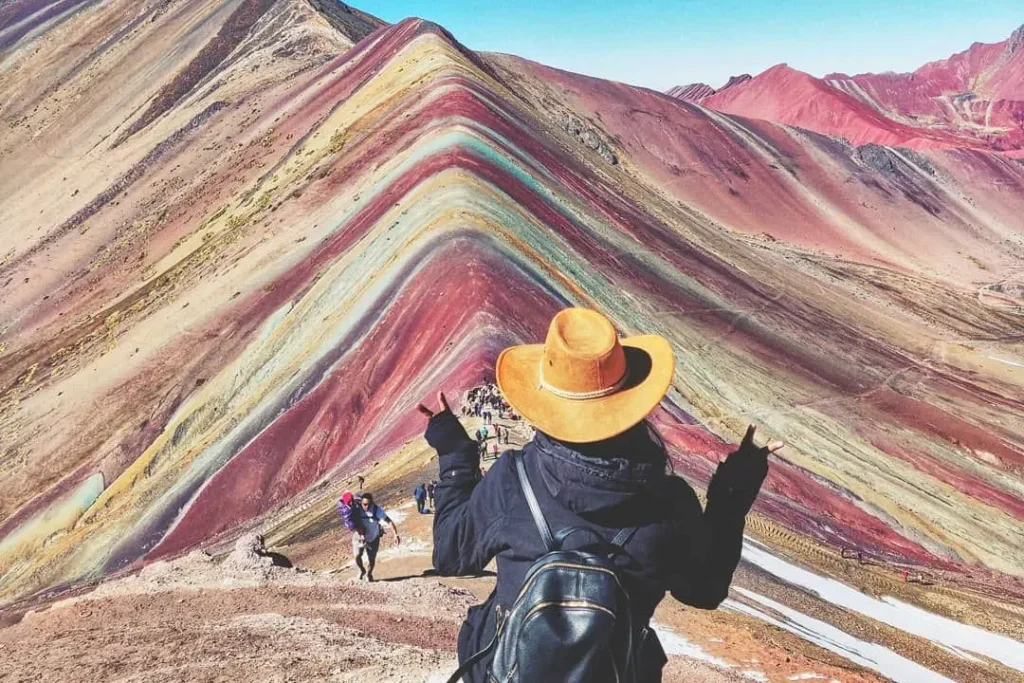
Pallay Punchu usually receives fewer travelers and provides a quieter experience. Its formations are sharper and feature colored lines that resemble a traditional woven poncho.
Both destinations are located at high altitude and require proper acclimatization. Pallay Punchu may be a better choice for travelers who prefer less-crowded destinations and different landscapes.
Recommendations to Prevent Altitude Sickness
- Spend at least two days in Cusco before the tour.
- Get enough rest the night before.
- Avoid drinking alcohol before the hike.
- Drink plenty of water.
- Eat light meals.
- Walk slowly.
- Do not try to match the pace of other hikers.
- Inform the guide if you experience dizziness, nausea, or headaches.
- Bring any personal medication recommended by your doctor.