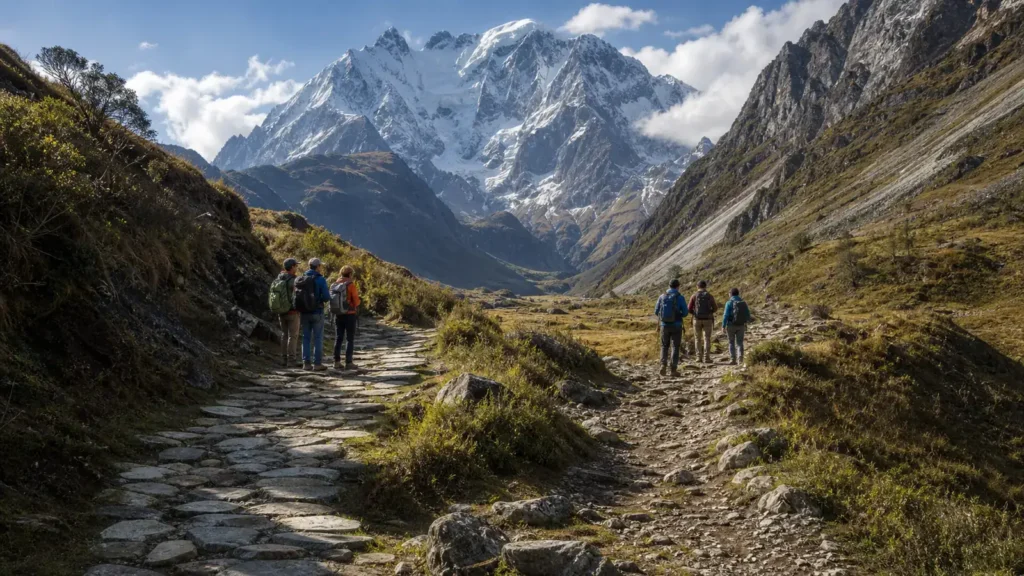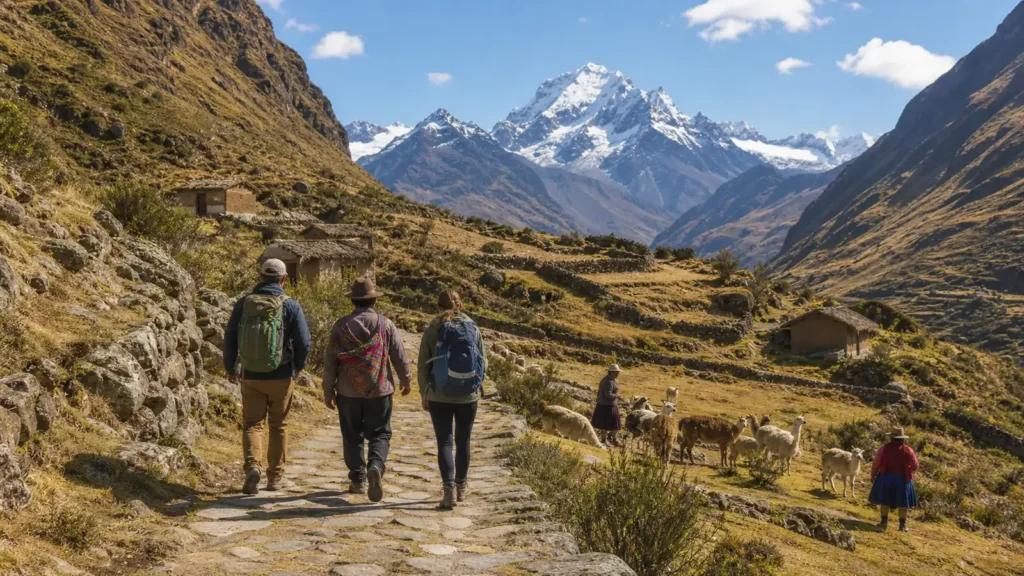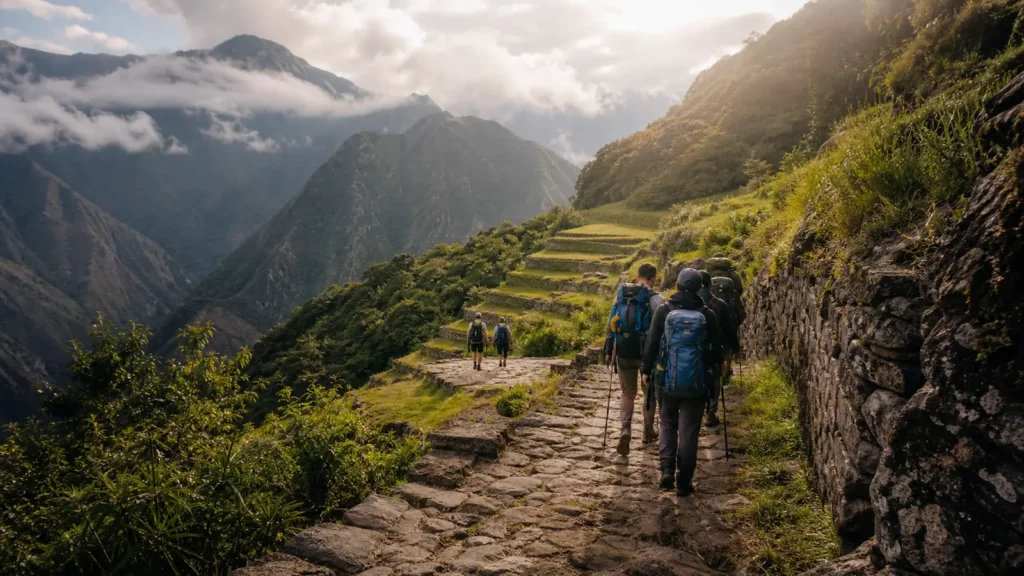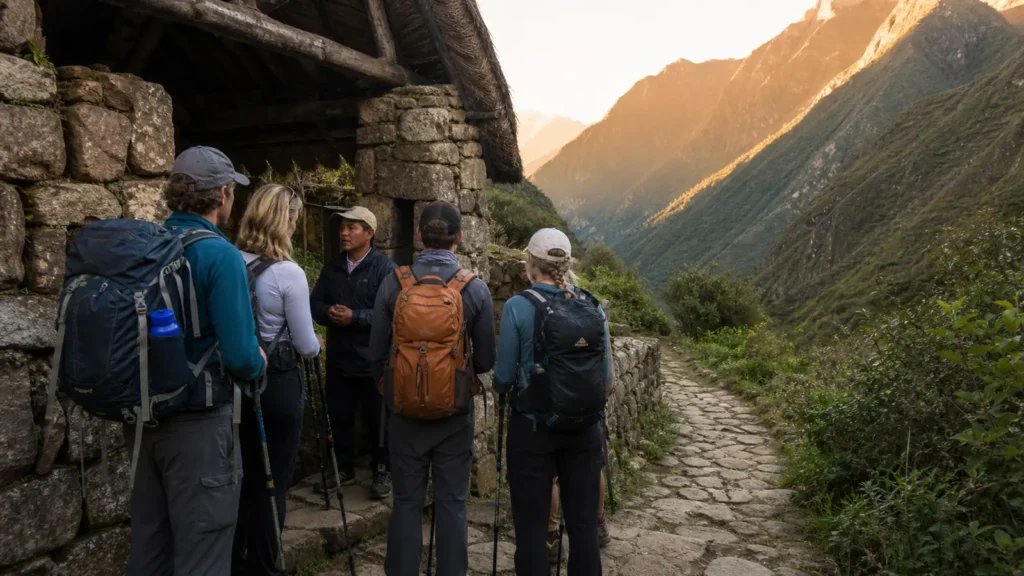

The best time to hike the Inca Trail depends on what you value most. Some travelers prioritize dry weather and clear mountain views. Others prefer greener landscapes, quieter travel periods or greater flexibility with their overall Peru itinerary.
Weather patterns in the Andes are seasonal, but they are not completely predictable. Even during drier months, you should prepare for changing mountain conditions.
When Is the Best Time to Hike the Inca Trail?
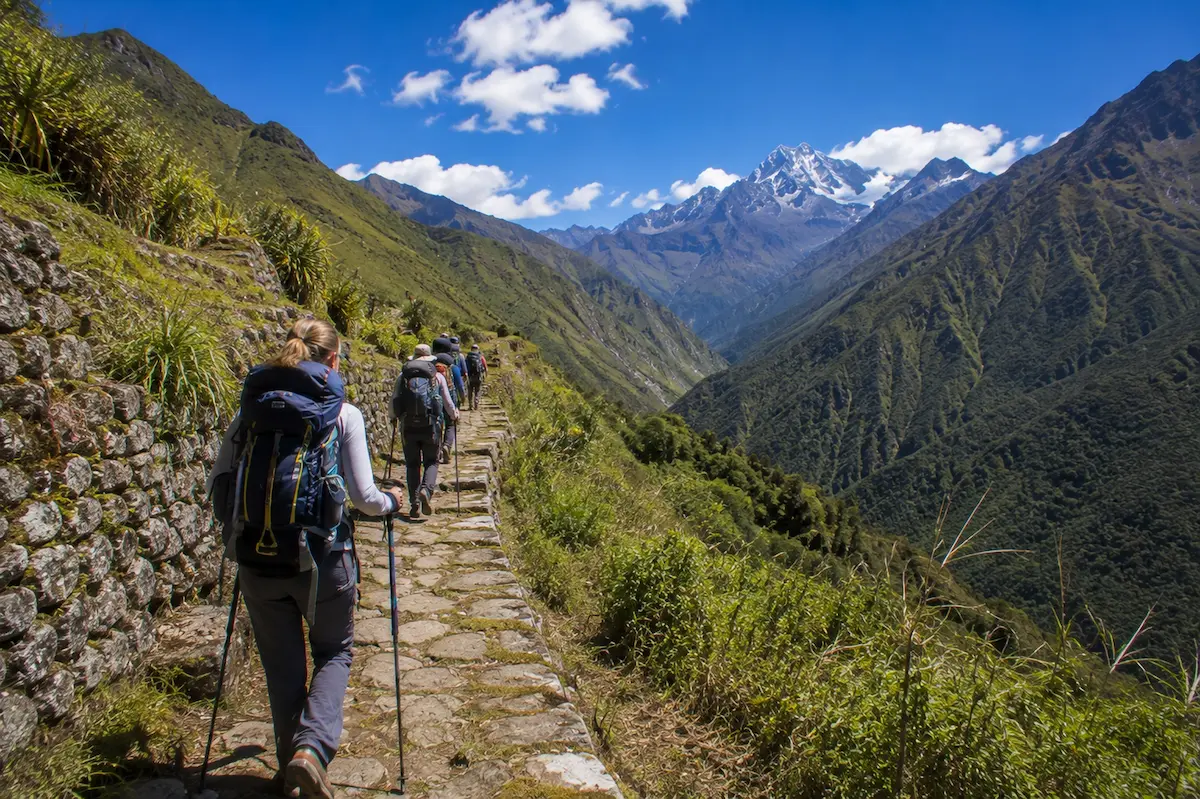
For travelers who prioritize generally drier trekking conditions, the middle portion of the dry season is often attractive.
However, those months can also be popular, which means planning and permit availability become more important.
Shoulder periods can provide a useful balance between conditions and visitor levels, while wetter periods offer greener landscapes but a greater chance of rain.
Dry Season on the Inca Trail
The drier part of the year generally brings:
- Lower rainfall
- More frequent clear periods
- Drier stone trails
- Colder nights at high elevation
- Greater demand during popular travel months
Dry season does not mean zero rain. You should still carry appropriate protection.
Rainy Season on the Inca Trail
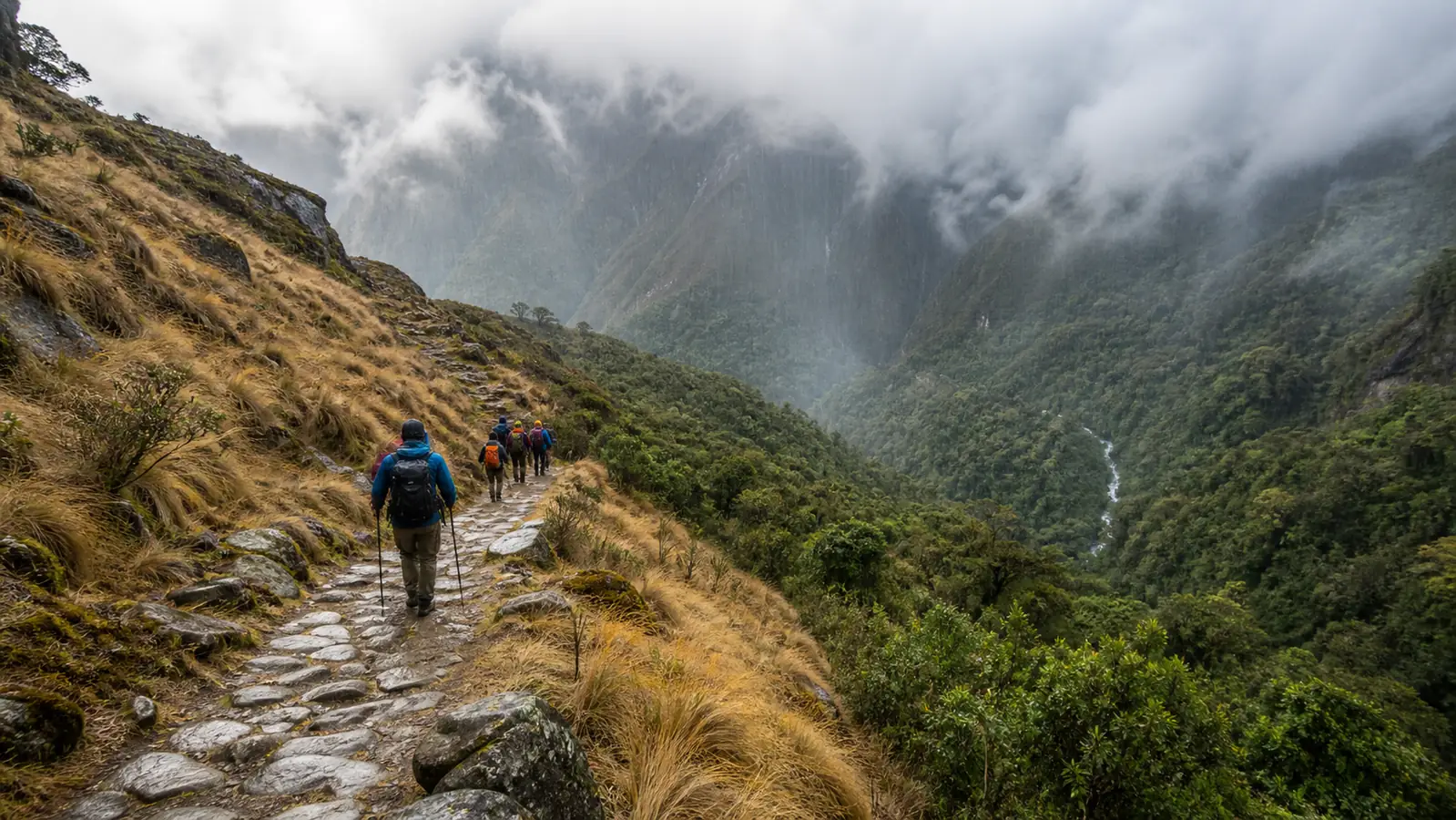
During wetter months, you can expect a higher chance of:
- Rain
- Cloud cover
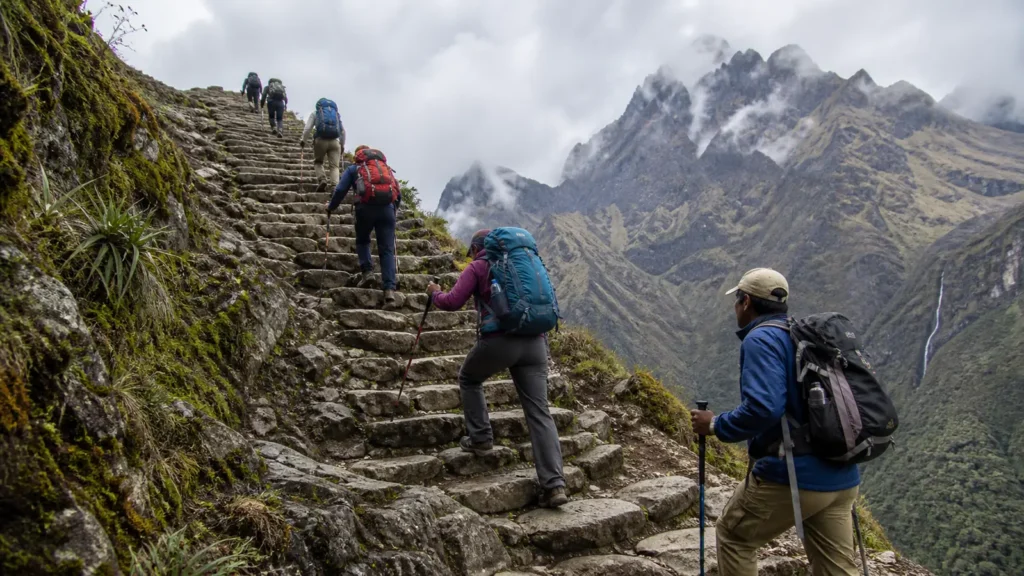
- Wet stone sections
- Slippery descents
- Greener vegetation
These conditions do not automatically make a trek impossible, but they change how you should prepare.
Inca Trail Month-by-Month Comparison
| Month | Rain | General Conditions | What to Consider |
|---|---|---|---|
| March | Moderate to High | Wet-season transition | Rain protection and green scenery |
| April | Moderate | Transition toward drier conditions | Good seasonal balance |
| May | Lower | Generally dry | Popular trekking month |
| June | Low | Dry days, cold nights | High demand and cold mornings |
| July | Low | Dry and cold at night | Popular travel period |
| August | Low | Generally dry | Strong sun and cool nights |
| September | Low to Moderate | Seasonal transition | Increasing chance of rain |
| October | Moderate | More variable | Rain protection becomes more important |
| November | Moderate to High | Increasingly wet | Greener landscapes |
| December | High | Rainy-season conditions | Wet trail sections |
Inca Trail in March
March sits close to the wetter part of the season. Rain remains possible and trails can be damp.
Vegetation can be especially green following the wettest months.
Inca Trail in April
April is a transition month. Rain can still occur, but conditions generally begin moving toward the drier part of the year.
This can make April attractive for travelers looking for a seasonal balance.
Inca Trail in May
May generally provides drier conditions while the surrounding landscape may still retain some of the green appearance produced by earlier rainfall.
It is also a popular trekking period.
Inca Trail in June
June falls within the dry season.
Clear periods are common, but nights and early mornings can be cold, particularly at high elevations.
Inca Trail in July
July is one of the drier periods of the year and a popular time for visitors to Peru.
Prepare for colder nights despite strong daytime sunlight.
Inca Trail in August
August generally remains dry and popular.
Sun protection is important during exposed sections, while warmer layers remain useful at night.
Inca Trail in September
September begins moving toward the wetter part of the year, although extended dry periods can still occur.
Carry rain protection even if the forecast looks favorable before departure.
Inca Trail in October
October is more variable. Rain becomes increasingly likely compared with the middle of the dry season.
Wet stone surfaces can require additional care.
Inca Trail in November
November generally brings a greater chance of rain and increasingly green landscapes.
Waterproof equipment becomes more important.
Inca Trail in December
December falls within the rainy season.
Expect a greater chance of wet conditions, clouds and changing visibility.
Best Time for Drier Weather
If lower rainfall is your main priority, focus on the dry-season months.
Remember that the Andes do not provide guaranteed weather. Always pack at least basic rain protection.
Best Time for Green Landscapes
The wetter months and transition periods generally provide greener vegetation.
This comes with a tradeoff: greater rainfall and a higher chance of clouds.
Best Time for Photography
There is no month that guarantees perfect photography conditions.
Drier periods may provide a better chance of clear mountain views, while wetter periods can produce dramatic cloud formations and greener landscapes.
Best Time for Fewer Visitors
Periods outside the busiest dry-season travel months can feel less intense, although visitor levels vary according to holidays, availability and wider tourism demand.
Best Time for Beginners
Beginners often prefer more stable trail conditions, but weather is only one factor.
Your fitness, acclimatization and preparation matter just as much.
Read our guide to Inca Trail altitude before choosing a departure solely because of the weather.
When Should You Book?
If you are targeting a popular trekking period, start planning earlier rather than assuming your preferred date will remain available.
Check our Inca Trail permits guide before organizing non-flexible travel arrangements.
How Weather Affects Your Packing List
Your travel month should influence your equipment, but the basic layering system remains useful throughout the year.
During wetter periods, emphasize waterproof protection. During colder dry-season nights, ensure you have adequate warm layers.
See our complete packing list.
Weather and Inca Trail Difficulty
Rain can make stone surfaces slippery and create slower trail conditions.
Cold temperatures can also affect comfort during early mornings and campsites.
For the complete physical picture, read about Inca Trail difficulty.
Frequently Asked Questions About the Best Time for the Inca Trail
What is the driest time to hike?
The middle of the dry season generally provides the lowest rainfall, although mountain weather can still change.
Is the rainy season a bad time?
Not necessarily. It depends on your tolerance for rain and variable trail conditions.
What month has the clearest views?
Drier months generally provide a better chance of clear periods, but there is no guaranteed month for uninterrupted views.
Should I choose a month based only on weather?
No. Consider permit availability, your broader itinerary, crowds, temperature and your own trekking preferences.
Do I still need rain gear in the dry season?
Yes. Basic rain protection is sensible on a high-altitude mountain trek at any time of year.
Choose the Month That Fits Your Priorities
The best time to hike the Inca Trail is the period that best matches your priorities and your tolerance for changing weather.
Once you identify your preferred month, check availability and then continue with our guide on how to plan the Inca Trail.