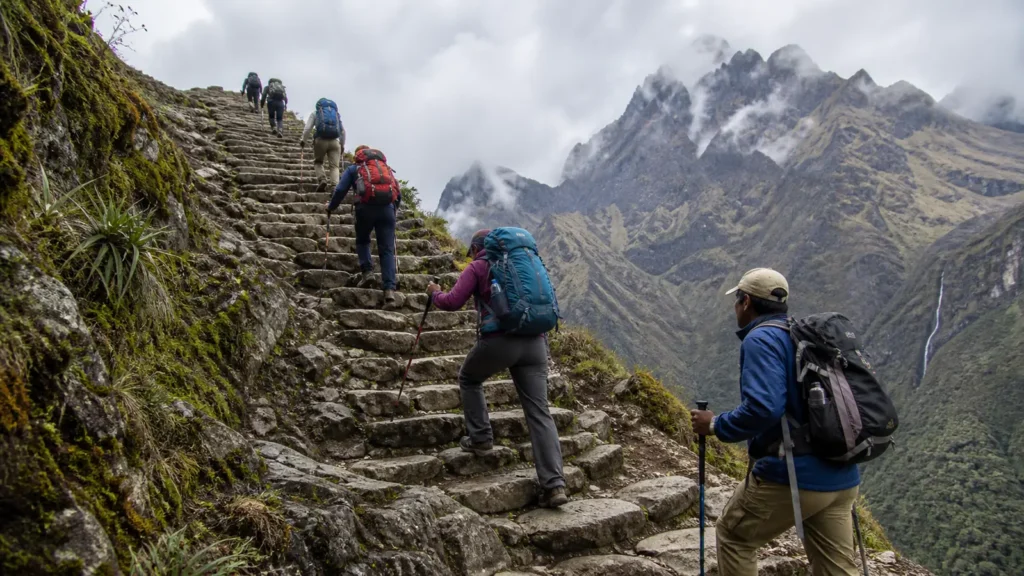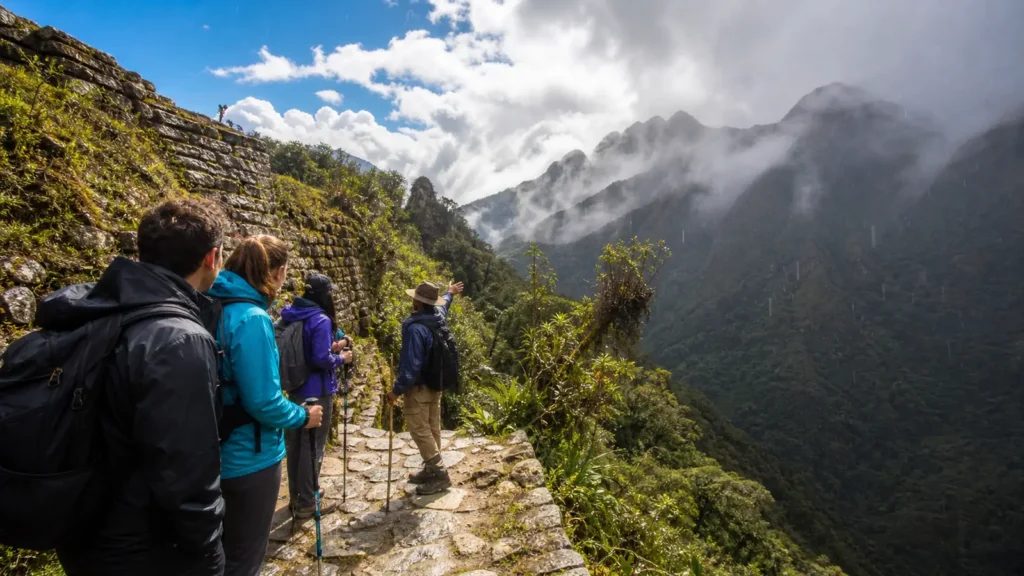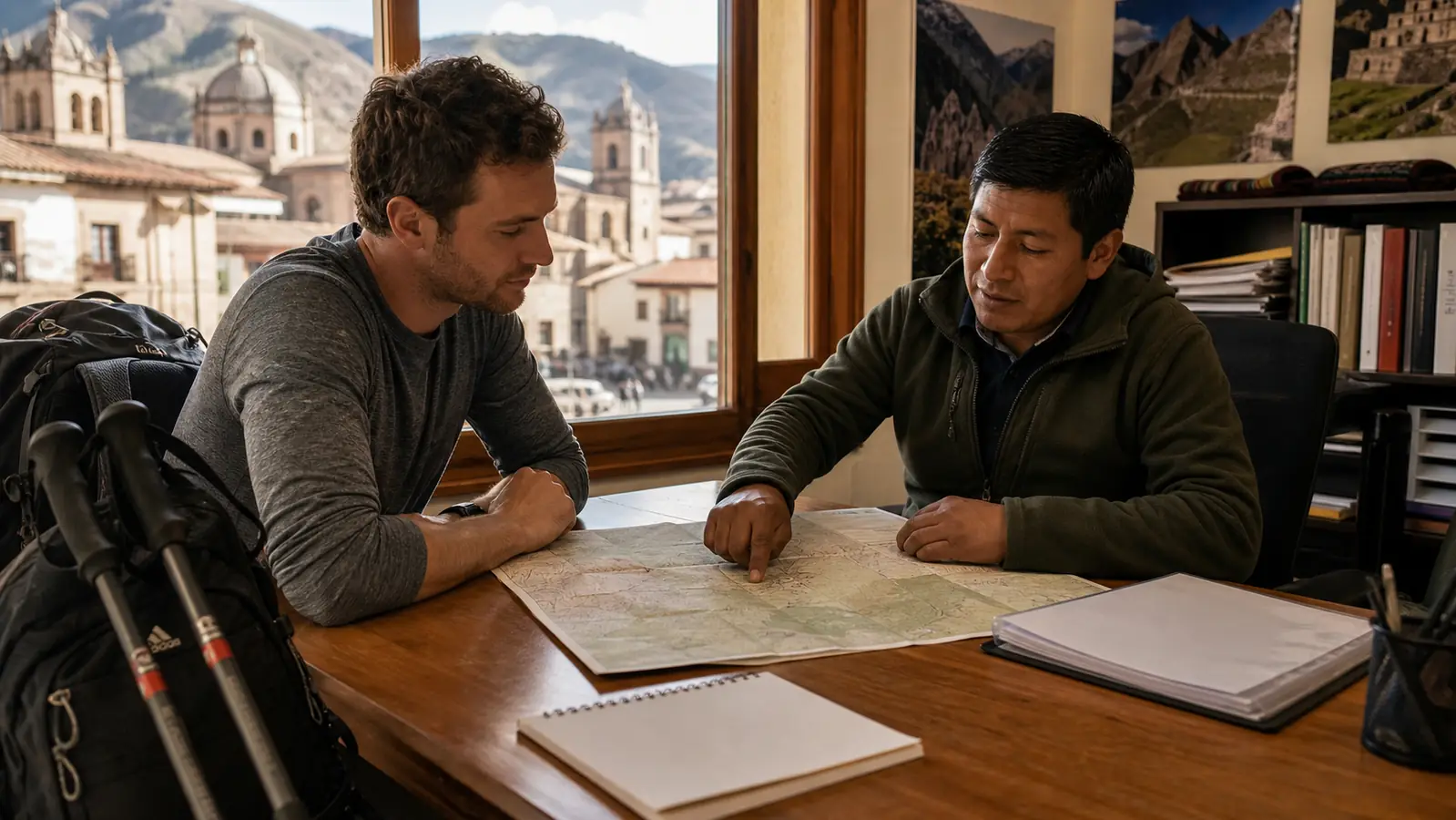

Knowing how to book the Inca Trail helps you avoid the two most common planning mistakes: organizing the rest of a Peru trip around an unconfirmed date and comparing packages that include different services. A proper reservation is more than choosing a date on a calendar. It connects an authorized trail entry with the correct traveler, route, guide service and Machu Picchu arrangements.
Use the following process whether you choose the multi-day Classic route or the Short Inca Trail. Exact payment conditions and inclusions vary, so the operator’s written confirmation remains the final reference for your booking.
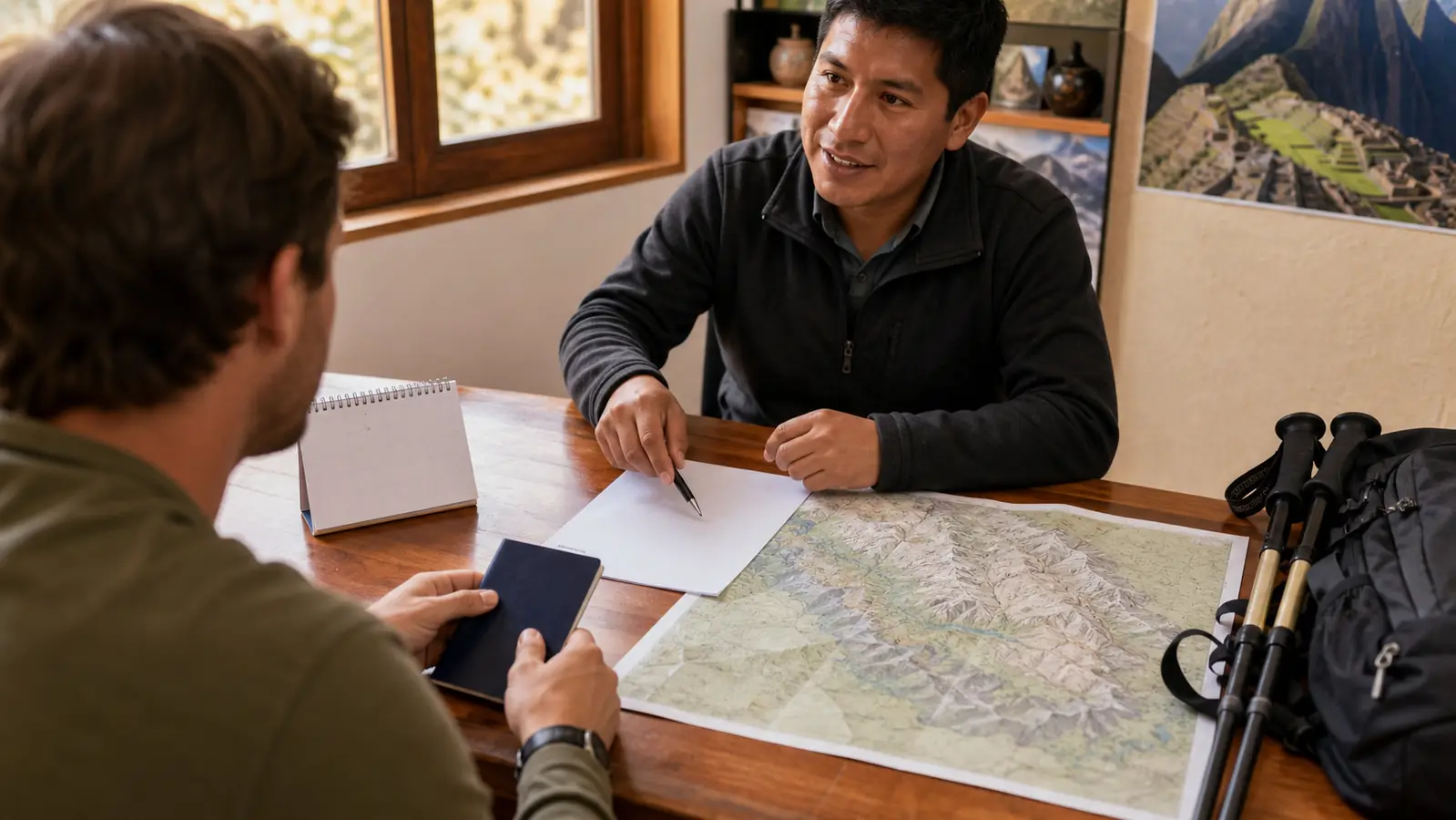
Step 1: Choose the Right Route
Decide whether you want a complete camping trek or a shorter hiking experience. The Classic route is designed for travelers who want several days of mountain passes, archaeological sites and camps. The Short route offers Chachabamba, Wiñay Wayna and the historic final approach without the same multi-day expedition.
Compare them in our Short vs Classic Inca Trail guide. Choosing only by price or duration can lead to an experience that does not match your expectations.
Step 2: Identify Several Possible Dates
Prepare a preferred start date and alternatives. Regulated entry, Machu Picchu admission, transport and operational capacity must fit together. A flexible window makes it easier to build a logical itinerary.
Check Inca Trail availability before purchasing restrictive flights or hotels tied to one trekking date.
Step 3: Evaluate Whether the Trek Fits You
Review altitude, daily effort, camping and stairway descents honestly. The Classic route reaches high elevation and accumulates effort across several days. The Short route is less extensive but still contains a sustained hiking day.
Read the difficulty guide and discuss health concerns with a qualified medical professional. A booking form cannot evaluate your individual health.
Step 4: Compare Complete Packages
Request a written list of inclusions and exclusions. Check:
- Trail entry and Machu Picchu admission
- Route and Machu Picchu circuit
- Guide language and group size
- Camping or hotel accommodation
- Meals and dietary arrangements
- Baggage support and personal weight allowance
- Sleeping bag, mattress and trekking-pole availability
- Pickup, train and return transport
- Emergency equipment and communication
- Taxes, service charges and optional upgrades
Use the cost guide to compare value rather than only the displayed number.
Step 5: Send Accurate Traveler Information
Provide names and document details exactly as requested. The passport or accepted document used for booking should correspond with the document presented during travel. Tell the operator immediately if a renewal or replacement is expected.
For students, ask which document and validity conditions apply before assuming a discount. Never alter a document image or submit incomplete information to accelerate a reservation.
Step 6: Read the Booking Conditions
Before paying, understand the cancellation, date-change, name-change and refund rules. Regulated entries and third-party services may be non-refundable or restricted after confirmation. Also ask what happens if an authority modifies access for conservation, weather or safety reasons.
Travel insurance can cover certain events, but policies differ. Confirm trekking altitude limits, covered reasons, evacuation terms and documentation requirements directly with the insurer.
Step 7: Use an Agreed Payment Method
Pay through the operator’s stated secure channel and retain the receipt. Confirm the currency, deposit amount, remaining balance, payment deadline and any transaction fee. Avoid sending card details through informal messages.
Step 8: Receive a Complete Confirmation
A useful confirmation should identify the traveler, route, start date and services reserved. It should also explain remaining payments and the next operational steps. Keep the confirmation available offline while traveling.
Step 9: Build the Rest of Your Peru Itinerary
Arrive in the Cusco region with time to acclimatize and handle delays before the trek. Do not schedule an international arrival immediately before departure. Place flexible activities after the trek when possible, since tired legs and transport delays can affect ambitious plans.
Step 10: Prepare for the Pre-Trek Briefing
Use the briefing to confirm pickup, guide contact, daypack limits, water, weather, rented equipment and storage for luggage left in Cusco. Bring the original required document. Review our packing list and avoid last-minute overpacking.
Common Booking Mistakes
- Buying flights before checking regulated availability
- Providing a nickname instead of the document name
- Assuming Classic and Short routes use the same entry
- Comparing prices without comparing inclusions
- Ignoring altitude and arriving immediately before departure
- Assuming every change is refundable
- Failing to verify the Machu Picchu circuit and return transport
Frequently Asked Questions
Can I book the Inca Trail after arriving in Cusco?
Do not rely on last-minute access. Controlled spaces and the connected Machu Picchu services may already be unavailable.
Do I need my passport to book?
Accurate accepted identification details are normally required. Ask the operator how to handle an upcoming passport renewal.
Is paying a deposit the same as confirmation?
Not necessarily. Ask for written confirmation identifying what has actually been reserved and what remains pending.
Book with a Clear Plan
Once you understand the process, review the Classic Inca Trail 4 Days or Short Inca Trail 2 Days and request confirmation for your travel window.