
The Classic Inca Trail is a demanding multi-day hike, but difficulty cannot be reduced to a single rating. The route combines high altitude, consecutive walking days, steep stone staircases, changing weather and basic campsite recovery. A traveler with strong cardiovascular fitness may still struggle with altitude or long descents, while a slower but well-acclimatized hiker may manage the trek comfortably with steady pacing.
The right question is not only “Is the Inca Trail hard?†It is “Which parts will challenge me, and can I prepare for them?â€
Inca Trail Difficulty at a Glance
| Challenge | Why It Matters | Preparation |
|---|---|---|
| Altitude | Less available oxygen can affect pace and recovery | Acclimatize and ascend conservatively |
| Dead Woman’s Pass | Long climb to the route’s highest major point | Hill training and patient pacing |
| Stone steps | Uneven ascents and long descents load the legs | Stairs, balance and downhill practice |
| Consecutive days | Fatigue accumulates even at a moderate pace | Back-to-back training walks |
| Weather | Rain, sun and cold change trail conditions | Layering and reliable rain protection |
| Camping | Sleep and recovery may differ from home | Appropriate equipment and expectations |
The Hardest Section
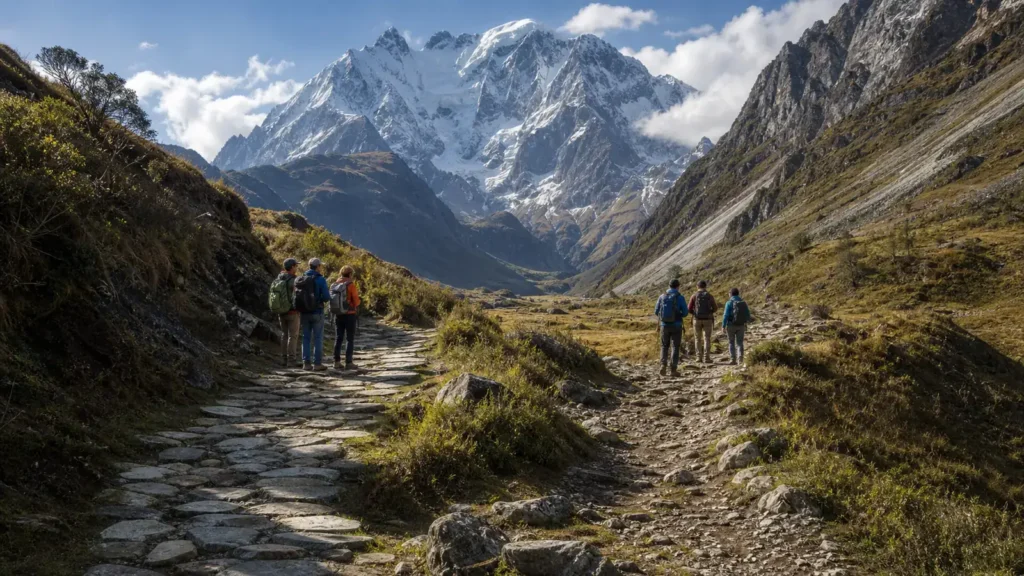
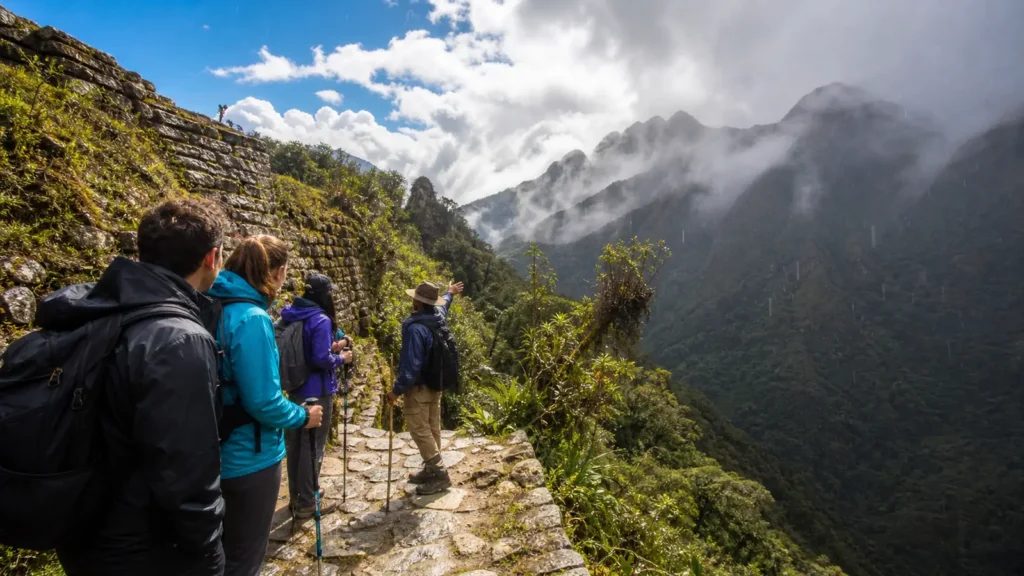
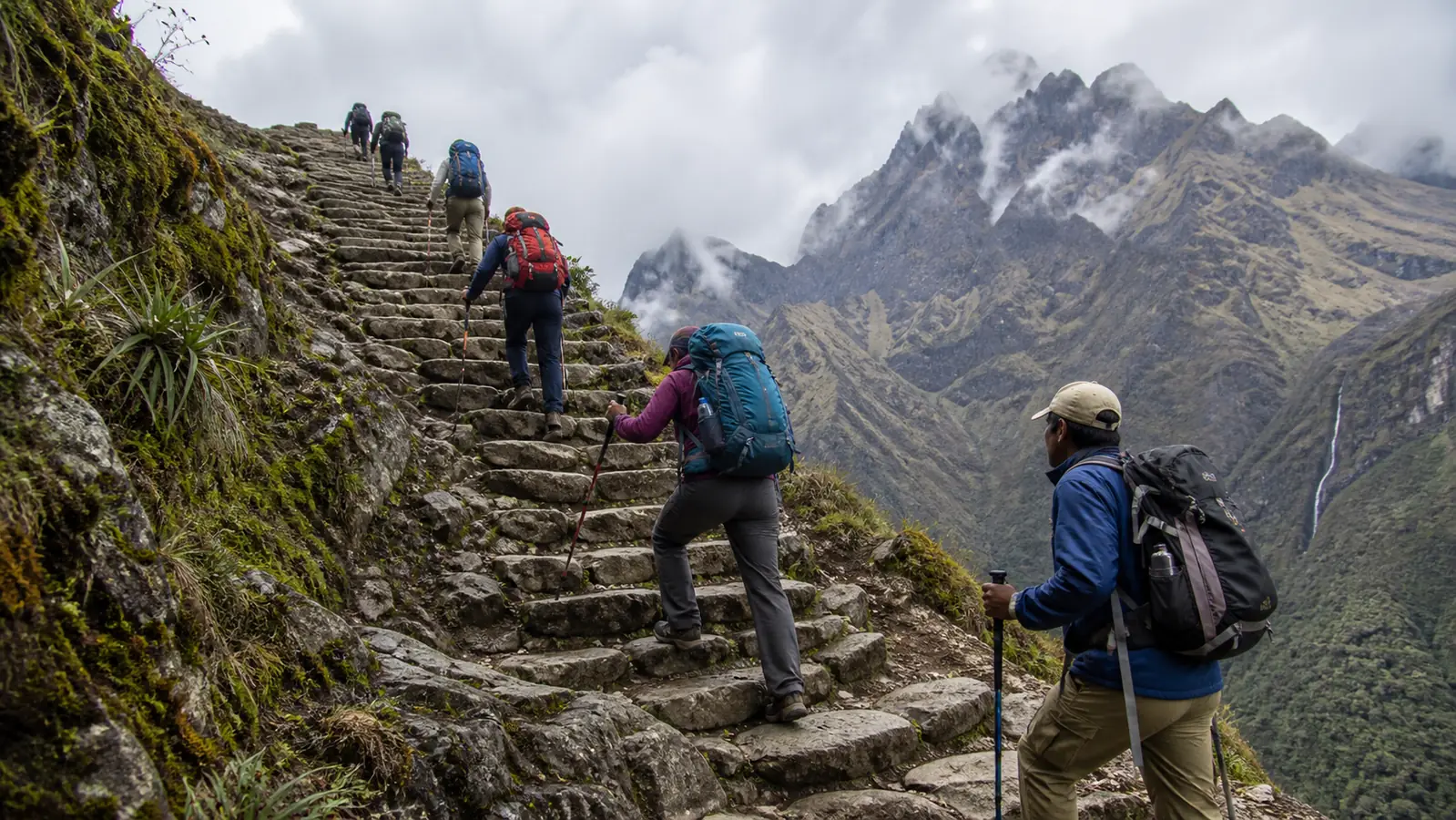
The climb toward Dead Woman’s Pass is widely regarded as the main physical test. It involves sustained ascent at high elevation rather than technical climbing. The correct pace may feel deliberately slow. Trying to match a faster hiker early can create unnecessary fatigue.
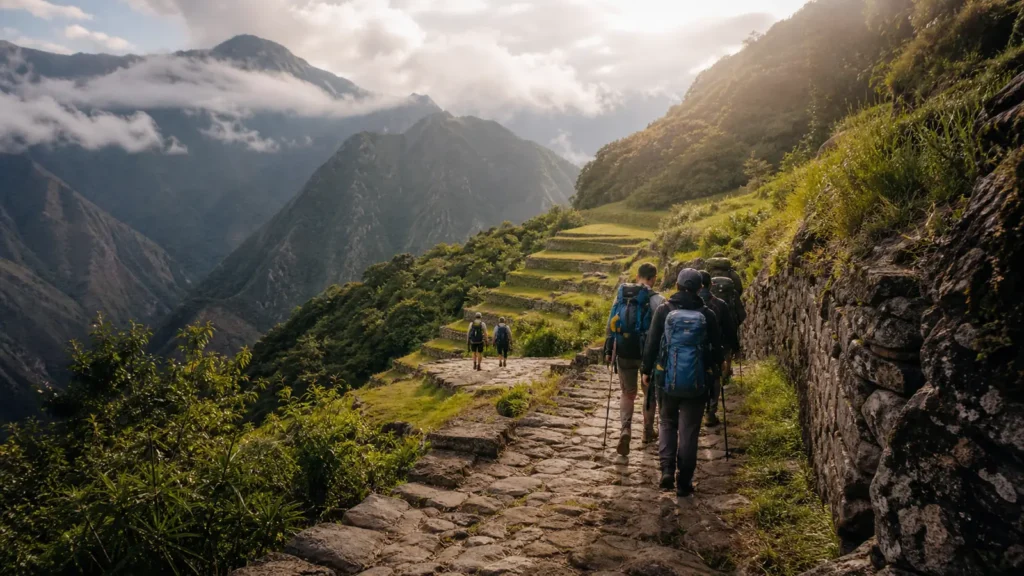
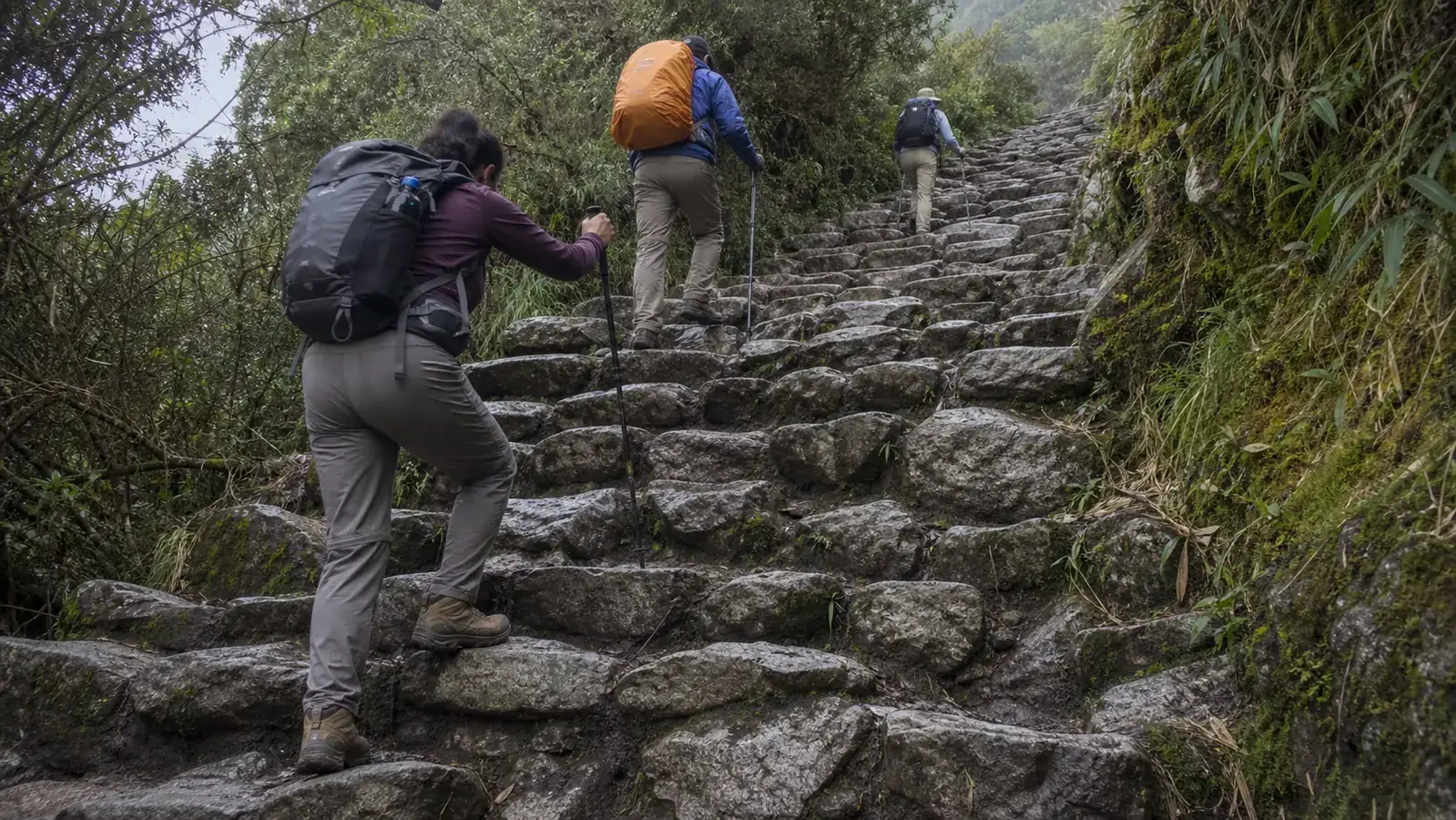
Reaching the pass is not the end of the effort. The descent uses steep and uneven stone steps, which can be difficult for knees and balance. Trekking poles used responsibly and permitted by current trail rules can help, particularly on wet sections.
Altitude vs Fitness
Fitness improves hiking efficiency but does not guarantee protection from altitude illness. Symptoms can affect experienced athletes. Spend time acclimatizing in the region and tell the guide promptly about headache, nausea, unusual fatigue, dizziness or worsening symptoms.
Read the Inca Trail altitude guide and seek individual medical advice when health conditions or prior altitude reactions are relevant.
Daily Effort and Recovery
The route feels difficult partly because the body repeats the work over several days. Campsite sleep, cool nights and early starts influence recovery. Train on consecutive days instead of measuring readiness from one long weekend hike.
The third day often contains extensive archaeological exploration and descending steps. It may be less intimidating than the highest pass, but accumulated fatigue makes careful foot placement important.
How Fit Do You Need to Be?
You do not need elite speed. You should be able to walk for several hours, climb sustained hills, descend with control and repeat the effort the next day. A sensible program combines aerobic work, leg strength, balance and hiking practice.
Follow the training guide and gradually use the footwear and daypack planned for Peru. Sudden increases in training volume can create injury rather than readiness.
How Pack Weight Changes Difficulty
Carry only daily essentials and follow the operator’s baggage rules. Extra camera gear, duplicate clothes and unnecessary toiletries can make every step harder. Our packing list separates genuine needs from optional items.
Weather and Trail Surface
Dry stone, wet stone and mud create different levels of difficulty. Rain can reduce traction and increase the need for careful pacing. Strong sun at altitude also contributes to dehydration and fatigue. Check the weather guide and pack for variation rather than a perfect forecast.
Who Should Reconsider the Classic Route?
Travelers with concerns about high altitude, repeated stairs, multi-day camping or limited recovery should seek appropriate medical guidance and discuss alternatives. The Short Inca Trail removes the highest passes and camping, although it remains a real hike.
Practical Ways to Make the Trek More Manageable
- Arrive early enough to acclimatize.
- Train on hills and stairs, including descents.
- Use broken-in footwear.
- Keep the daypack light.
- Eat and hydrate consistently.
- Use a pace that you can sustain.
- Communicate symptoms and injuries early.
- Protect sleep with suitable warm equipment.
Frequently Asked Questions
Can a beginner hike the Inca Trail?
An active beginner can prepare successfully, but should not arrive without training or acclimatization. Individual health and the itinerary matter.
Is the Short Inca Trail easy?
It is easier in cumulative terms, but still includes hours of hiking, ascent and stone steps.
Do I need technical climbing skills?
The standard route is a trek rather than a technical climb. Endurance, altitude management and controlled movement on uneven steps are more relevant.
Prepare for the Experience
If the challenge matches your goals, review the Classic Inca Trail 4 Days, compare its services and begin structured preparation well before departure.