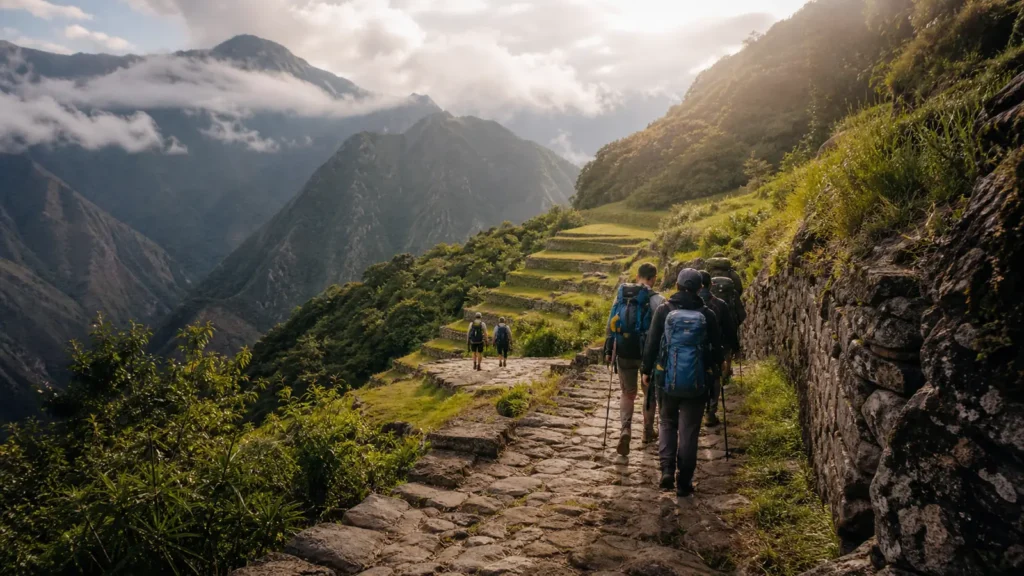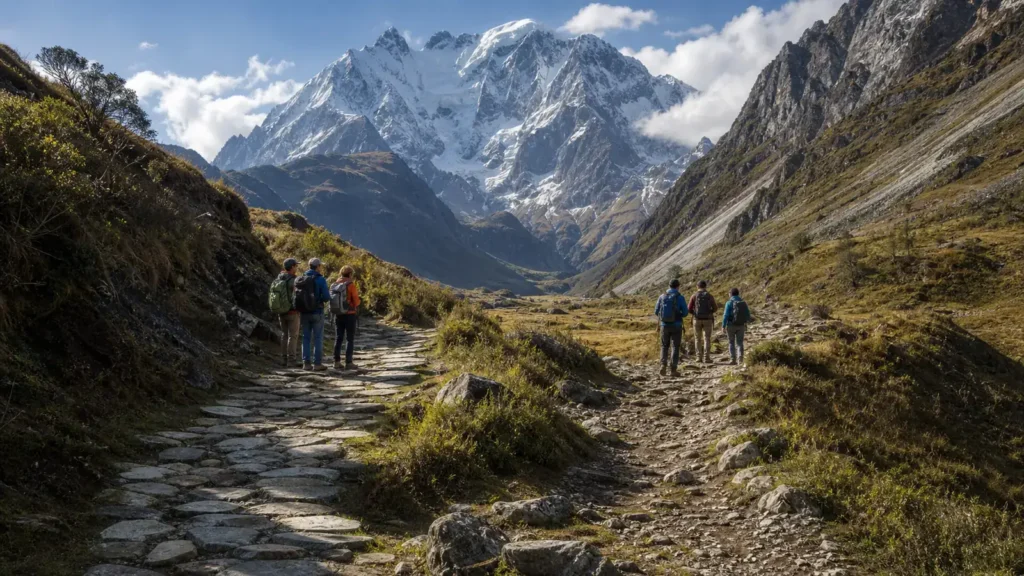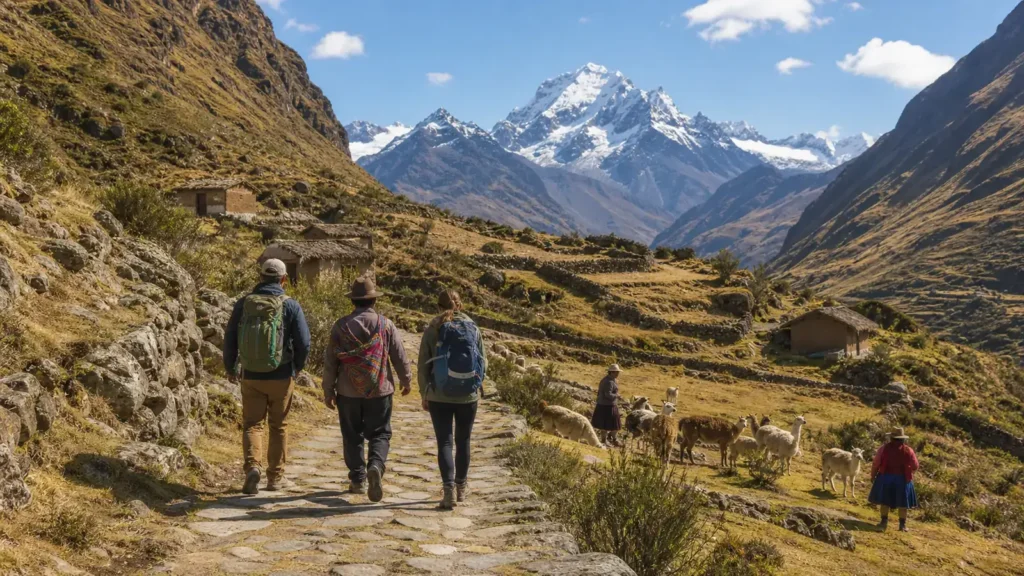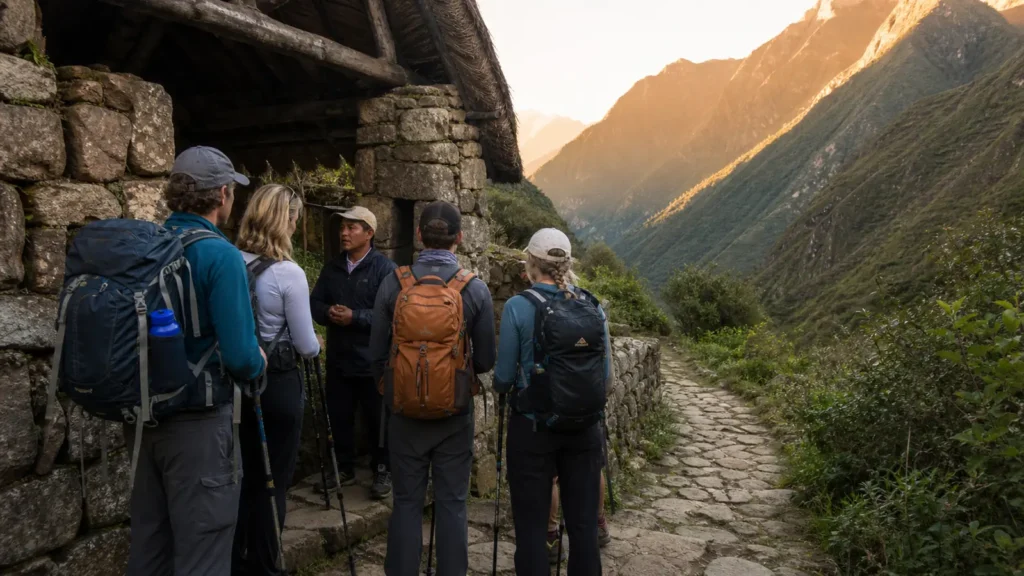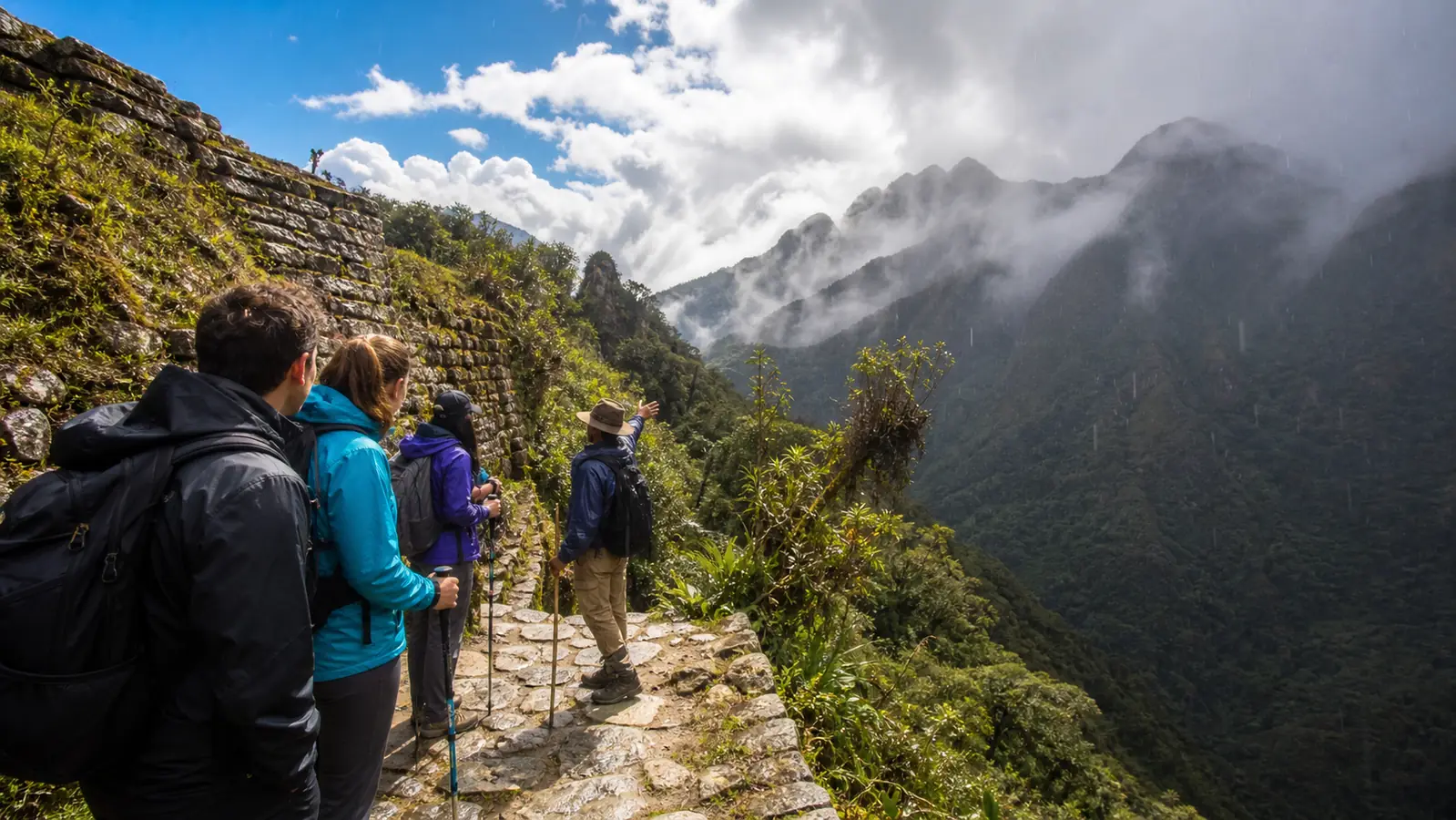

Inca Trail weather changes with season, elevation, time of day and the ecological zone you are crossing. A forecast for Cusco or Machu Picchu Pueblo cannot describe every campsite and pass. During one trek, hikers may experience strong sun, cool wind, cloud, rain and cold nighttime conditions.
Plan around broad seasonal patterns, but pack for variation. No month guarantees dry skies or a specific temperature.
Dry and Wet Seasons
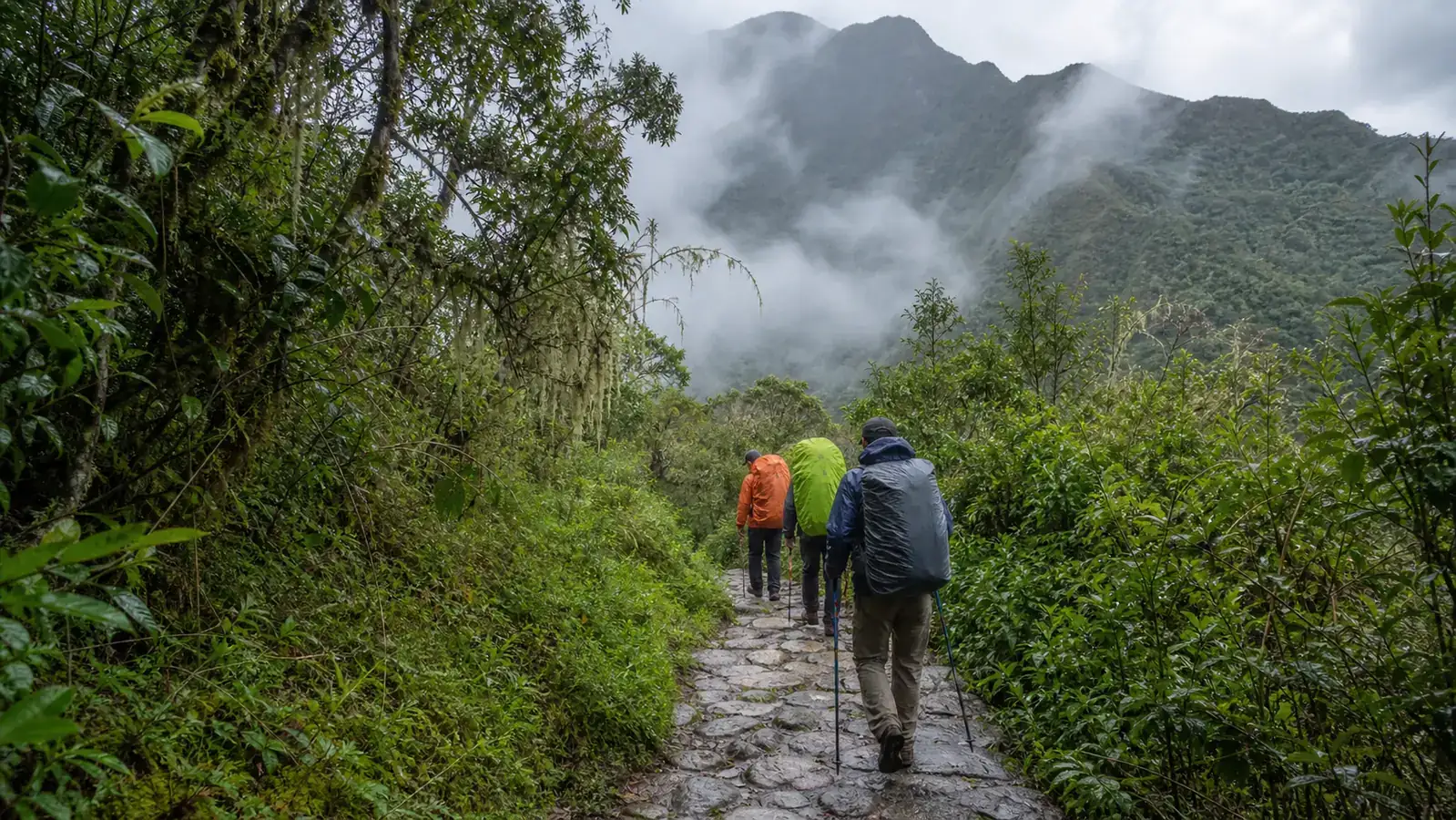
The drier part of the Andean year generally offers more stable trekking conditions, clearer views and colder nights. It is also associated with high demand. The wetter part of the year brings a greater likelihood of rain, cloud and slippery trail surfaces, while landscapes can appear greener.
Transition months do not obey a fixed boundary. Conditions can shift from year to year, and rain remains possible during periods described as dry.
Why Conditions Change Along the Route
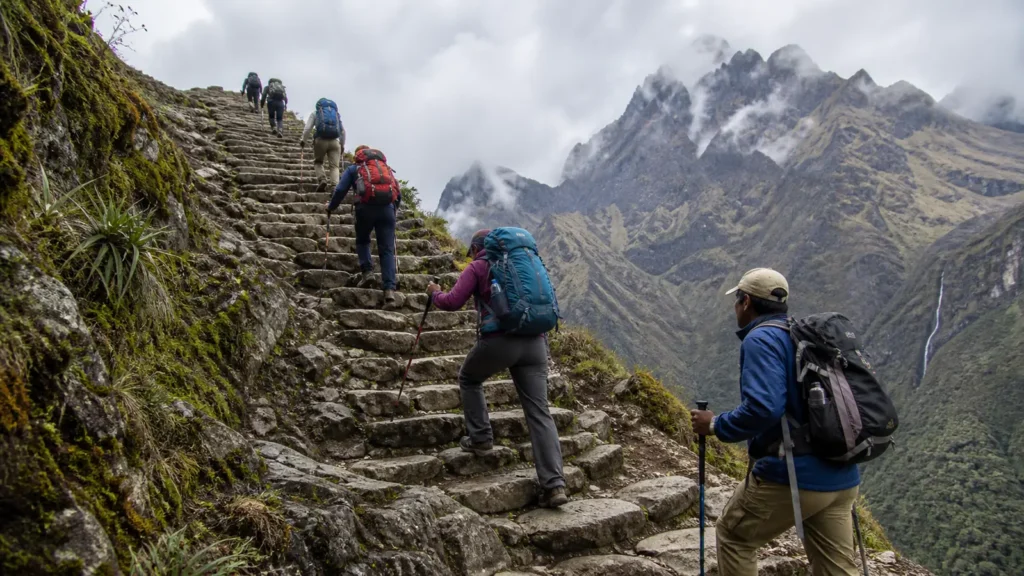
The Classic Inca Trail crosses valleys, high passes and cloud forest. Elevation affects temperature, while terrain and vegetation influence wind, shade and moisture. A sunny lower section can be followed by cloud at a pass and damp conditions during the descent.
Use the elevation profile alongside a weather forecast. Knowing where the itinerary climbs and sleeps is more useful than reading one temperature for the whole trail.
Typical Daily Pattern
Mornings often begin cool, particularly at camp. Sun exposure can become strong once walking begins. Clouds may build around mountains and forested sections, and afternoon showers are possible. After sunset, temperatures drop quickly.
This pattern is not a promise. Weather systems can produce prolonged rain, unexpected cold or clear afternoons. Follow guide instructions when conditions affect pacing or safety.
Rain and Trail Conditions
Rain changes more than comfort. Stone becomes slippery, visibility can fall and descents require additional time. Use a waterproof outer layer rather than relying only on a light water-resistant jacket. Protect electronics and sleeping clothes inside waterproof bags.
Footwear should provide dependable grip and be broken in before travel. Move deliberately on wet steps and avoid rushing to keep up with another hiker.
Sun and UV Exposure
High elevation increases the importance of sun protection, even under intermittent cloud. Carry sunscreen, a brimmed hat, sunglasses and water. Reapply protection during the day and do not assume cool air means weak sun.
Cold Nights and High Passes
Nighttime and early-morning conditions can feel much colder than the lower valleys. Wind at exposed passes adds to heat loss. Bring insulating layers that remain dry and confirm the temperature rating of rented or supplied sleeping equipment.
Month-by-Month Planning
Instead of treating monthly averages as guarantees, combine them with your priorities:
- For a greater chance of stable hiking weather, consider the drier season while accepting stronger demand and colder nights.
- For greener scenery and fewer peak-season expectations, accept a greater rain risk.
- For transition periods, pack for both patterns.
- For February, verify official trail-network operating notices rather than assuming standard access.
See our best time guide for the planning tradeoffs.
What to Wear
A layered system adapts better than one heavy garment:
- Moisture-managing base layer
- Light insulating layer
- Warmer layer for camps and cold mornings
- Waterproof and wind-resistant outer shell
- Quick-drying hiking trousers
- Warm hat and light gloves
- Sun hat and sunglasses
- Dry camp socks protected from rain
Review the packing list and tailor quantities to the itinerary and operator-provided gear.
Weather and Itinerary Changes
Operators and authorities may adjust procedures when weather affects safety, conservation or transport. Build some flexibility around the trek and read the booking conditions covering official closures or route changes.
Frequently Asked Questions
Can it rain during the dry season?
Yes. Seasonal labels describe tendencies, not guarantees.
How cold does the Inca Trail feel?
It varies by campsite, elevation, wind and season. Request itinerary-specific guidance and suitable sleeping equipment.
Is a poncho enough?
A poncho can help, but many hikers also benefit from a dependable waterproof shell and internal dry bags. Test the system before travel.
Plan for Variation
Choose dates based on your tolerance for rain, crowds and cold—not a promise of perfect weather. Then prepare with adaptable layers and a realistic Inca Trail plan.