
Choosing between the Inca Trail and the Lares Trek is really a choice between two different stories of the Andes. The Classic Inca Trail follows a protected archaeological road, visits multiple Inca sites and approaches Machu Picchu through Intipunku. Lares itineraries travel through high valleys associated with living Andean communities, agriculture and textile traditions, then usually connect to Machu Picchu by road and train rather than hiking directly into the citadel.
Both can be meaningful, but they are not substitutes in the strict sense. The Inca Trail is best for travelers who want archaeology embedded in every hiking day. Lares is often better for travelers whose main interests are mountain communities, rural landscapes and a more flexible route design.

Inca Trail vs Lares Trek at a Glance
| Factor | Classic Inca Trail | Lares Trek |
|---|---|---|
| Core experience | Protected historic road and archaeological sites | Highland valleys, communities and cultural landscapes |
| Machu Picchu arrival | Hiking approach through Intipunku | Usually connects by vehicle and train before a separate visit |
| Route structure | More standardized and regulated | Several possible trailheads, passes and itinerary designs |
| Booking pressure | Controlled spaces make early booking important | Generally more flexible, while Machu Picchu and train space still matter |
| Cultural contact | Interpretation focuses strongly on Inca history | Greater potential focus on present-day Andean life |
| Best for | Archaeology and the classic arrival | Culture, quieter valleys and itinerary flexibility |
Archaeology or Living Culture?
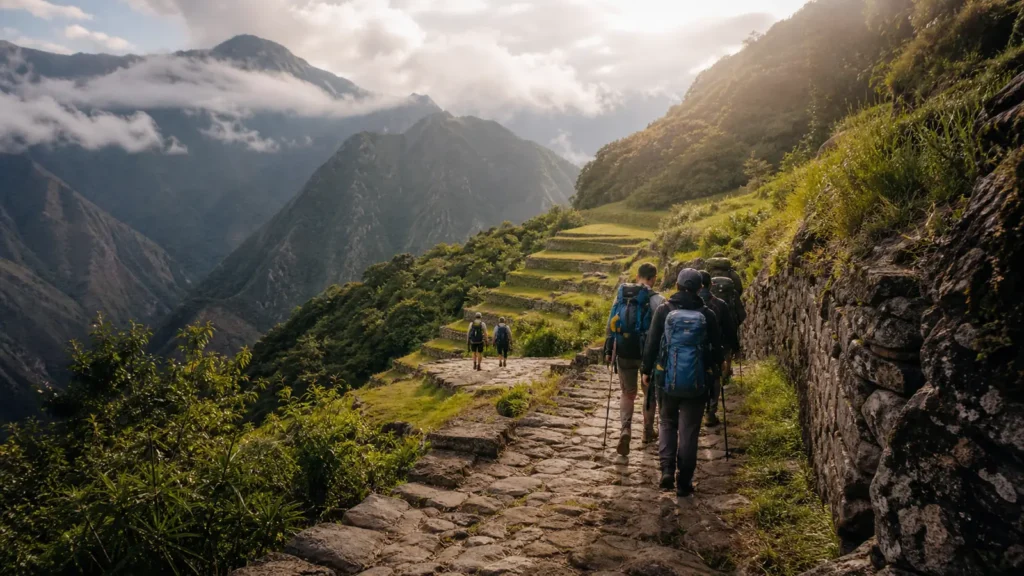
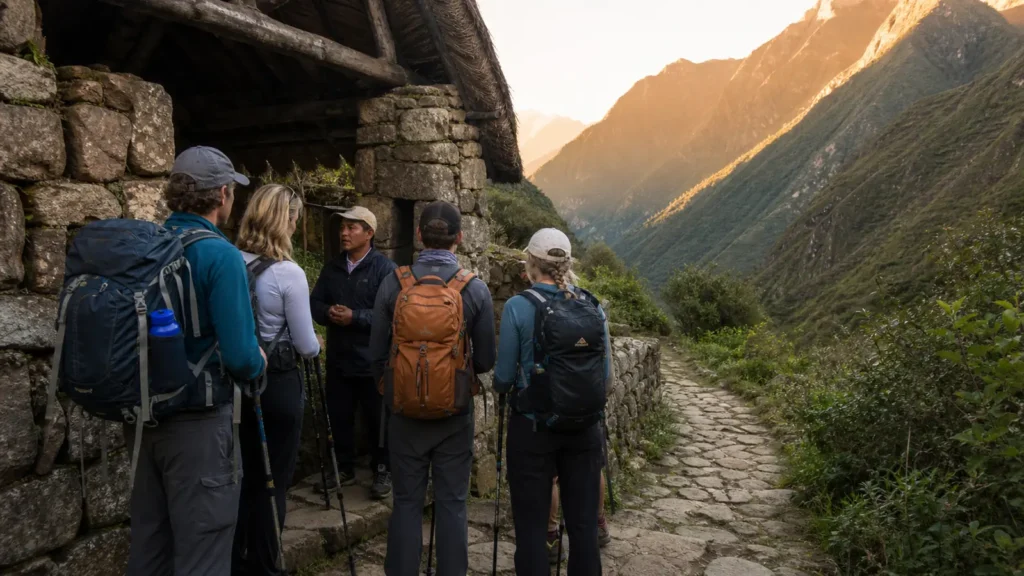
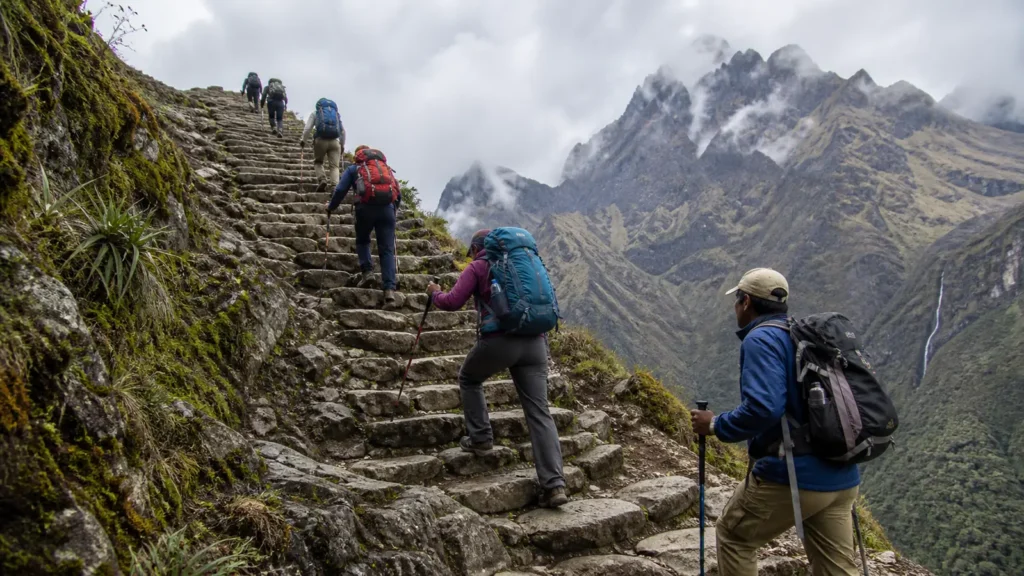
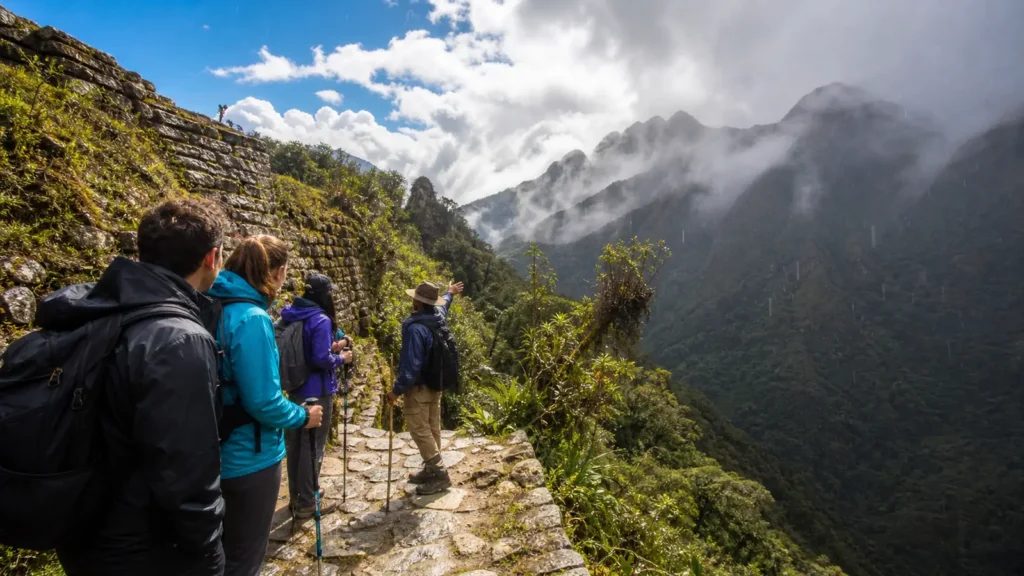
The Classic Inca Trail presents history through the physical road. Sites such as Runkurakay, Sayacmarca, Phuyupatamarka, Intipata and Wiñay Wayna are part of the progression toward Machu Picchu. Guides can explain how architecture, ritual spaces, terraces and the surrounding mountains relate to one another.
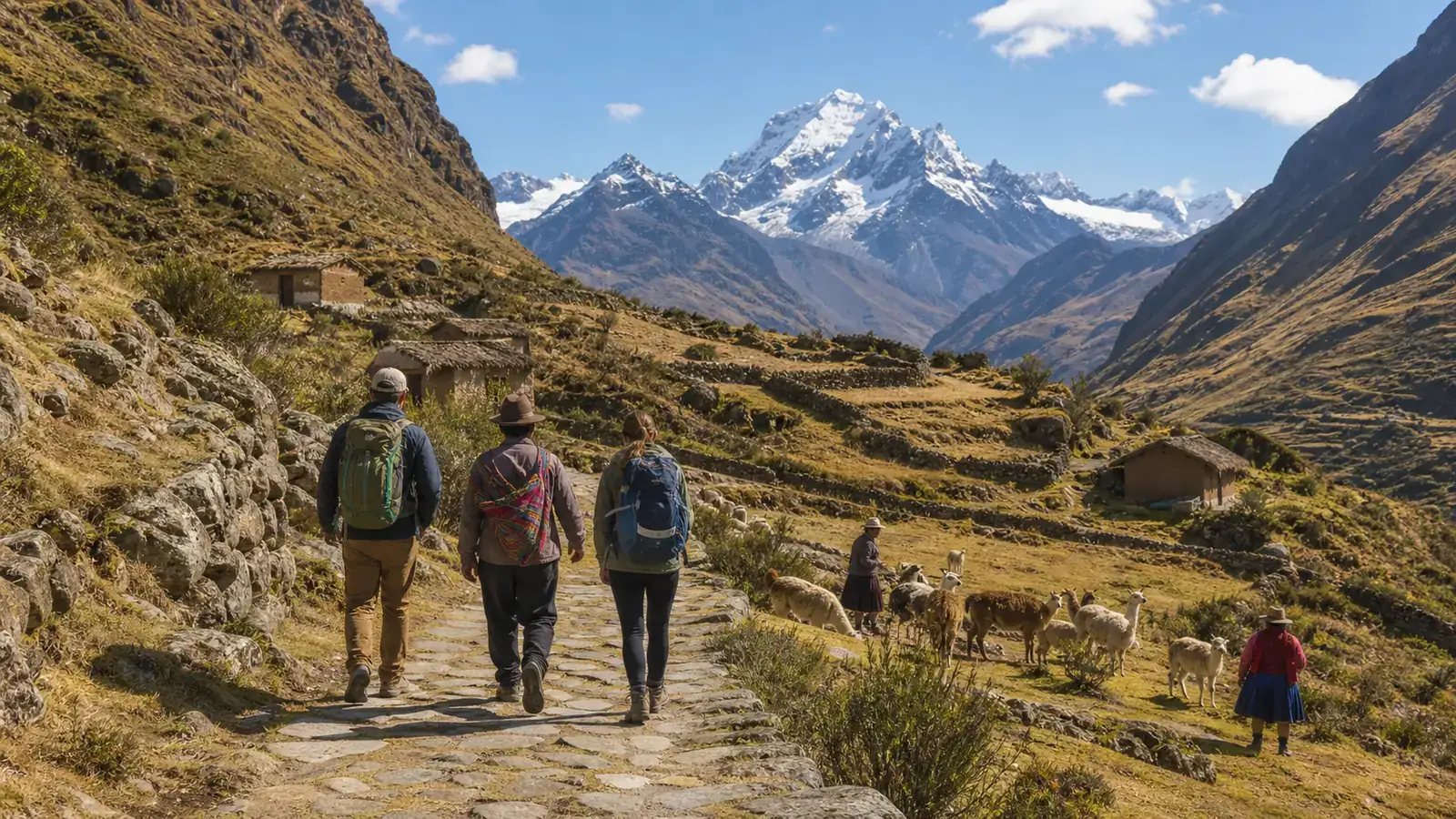
The Lares region offers a different cultural lens. Depending on the selected route, hikers pass settlements where Quechua-speaking families maintain farming, herding and weaving traditions. Cultural encounters should never be staged as human attractions. A responsible itinerary explains local context, asks before photographing people, respects private spaces and ensures that purchases or visits benefit host communities fairly.
Scenery and Trail Character
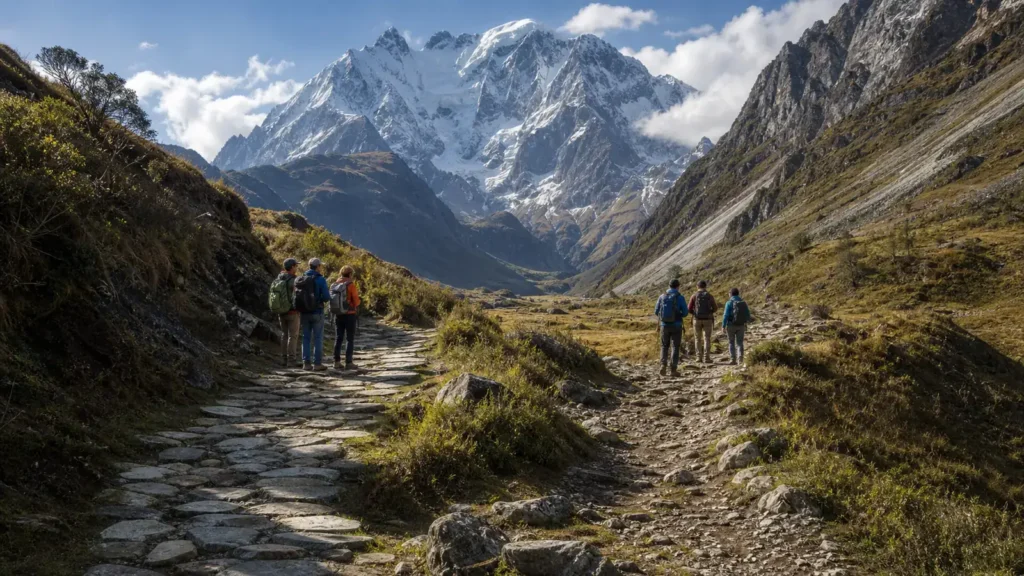
The Inca Trail crosses dry valleys, high passes and cloud forest while repeatedly returning to stonework and archaeology. Its engineered stairs are a defining feature. Lares routes commonly include open puna, lakes, grazing areas, cultivated valleys and views of the Urubamba mountain range. Because there is no single Lares itinerary, scenery and maximum altitude vary significantly.
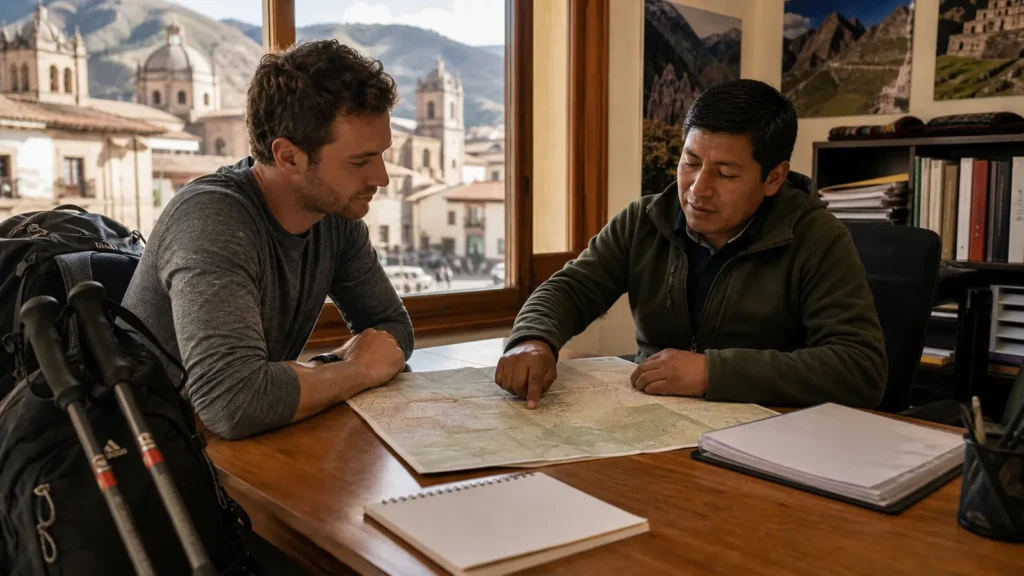
Ask for a day-by-day Lares profile rather than relying on a generic route name. Confirm the trailhead, highest pass, daily hiking time, camp elevations and how the group exits the valley. This is essential for comparing difficulty honestly.
Difficulty and Altitude
Both routes can cross high terrain. The Inca Trail has a known sequence of major ascents, stone staircases and long descents. Lares difficulty depends more heavily on the chosen pass and itinerary. Some versions are shorter but still reach elevations that demand proper acclimatization.
Spend time in Cusco or the Sacred Valley before either trek, follow your medical adviser’s guidance when relevant and communicate symptoms promptly. Fitness does not prevent altitude illness. For preparation, use our altitude guide, training guide and packing list.
Permits and Advance Planning
Access to the Classic Inca Trail is regulated, so spaces can determine whether the route fits your dates. Passport details and booking information must be handled carefully. Read the permit guide before organizing the rest of your itinerary.
Lares does not use the same Classic Inca Trail entry system, but the Machu Picchu portion still requires coordination. Train seats, admission circuits and accommodation can sell out. More flexible does not mean no planning is required.
Crowds and Sense of Solitude
The Inca Trail has controlled numbers, designated camps and groups moving along the same protected corridor. It can feel social and structured. Lares routes are distributed across different valleys, so hikers may encounter fewer trekking groups. However, these are inhabited landscapes rather than empty wilderness. Solitude should not be confused with absence of local land use.
Accommodation and Logistics
Classic itineraries usually camp within the regulated network before reaching Machu Picchu. Lares packages may camp in valleys and then use transport to connect with Ollantaytambo or another rail point. Some programs incorporate community lodging or different comfort levels.
Compare tents or rooms, meals, baggage support, emergency equipment, guide qualifications, transport, train service, Machu Picchu admission and the final hotel night. Check exactly what is included instead of assuming every trek with the same duration offers the same service.
Choose the Inca Trail If…
- You want the most archaeology-focused trekking route to Machu Picchu.
- The Sun Gate arrival is central to your expectations.
- You are comfortable with a regulated itinerary and designated camps.
- You can reserve early enough for your preferred dates.
Choose the Lares Trek If…
- You want a stronger focus on highland communities and rural landscapes.
- You prefer a route with multiple possible itinerary designs.
- You are happy to reach Machu Picchu separately by train and transport.
- You value quieter valleys more than continuous archaeological sites.
Final Decision
Choose the Classic Inca Trail for archaeological continuity and the iconic approach into Machu Picchu. Choose Lares for a community-centered mountain journey followed by a separate Machu Picchu visit. Before booking either, compare the exact itinerary rather than only the trek name. If the classic route matches your priorities, review the 4-Day Inca Trail.
Frequently Asked Questions
Does the Lares Trek walk directly into Machu Picchu?
Most Lares itineraries connect to the rail network and visit Machu Picchu separately. Confirm the final connection because routes differ.
Is Lares easier than the Inca Trail?
Not automatically. A Lares itinerary may have fewer stone steps but can cross a high pass. Compare daily elevation gain, maximum altitude and walking time.
Which trek is better for culture?
The Inca Trail emphasizes archaeological culture; Lares can provide more context about living Andean communities. The better choice depends on which meaning of culture interests you most.