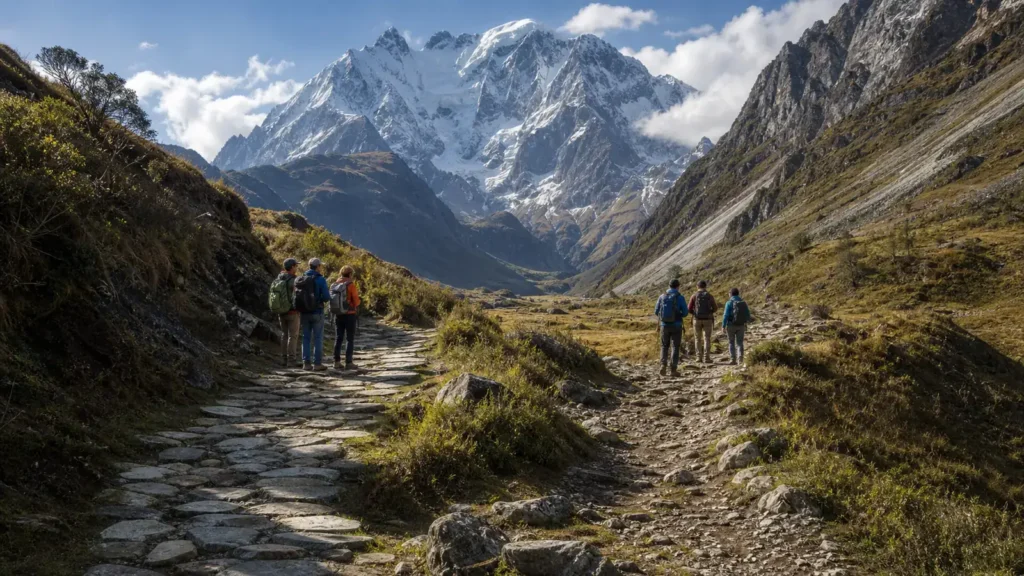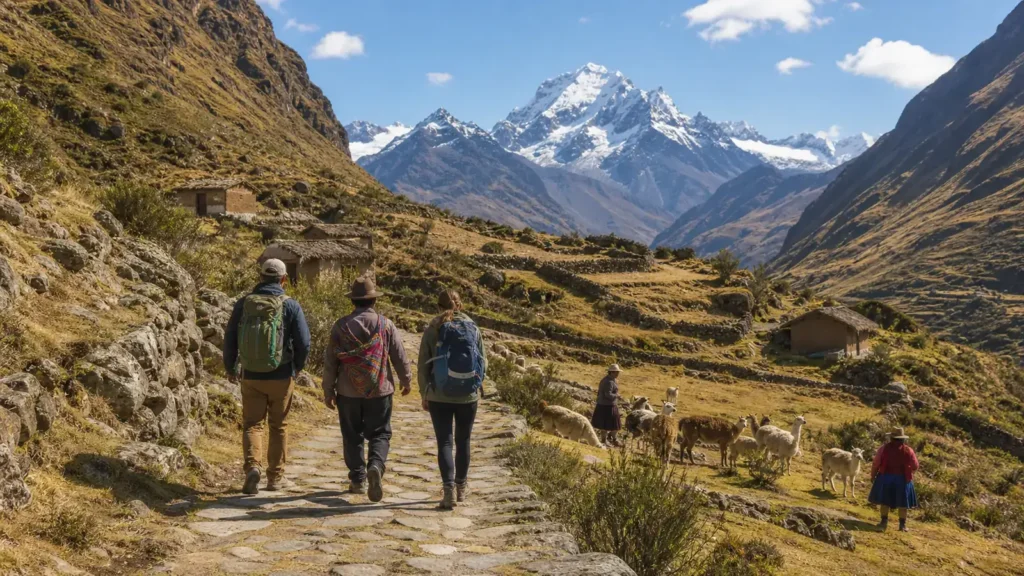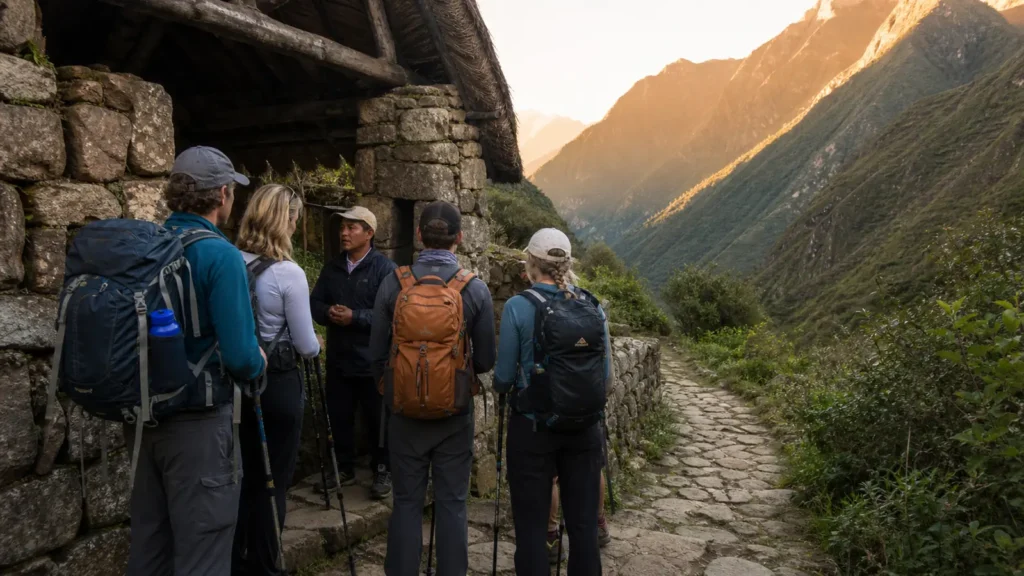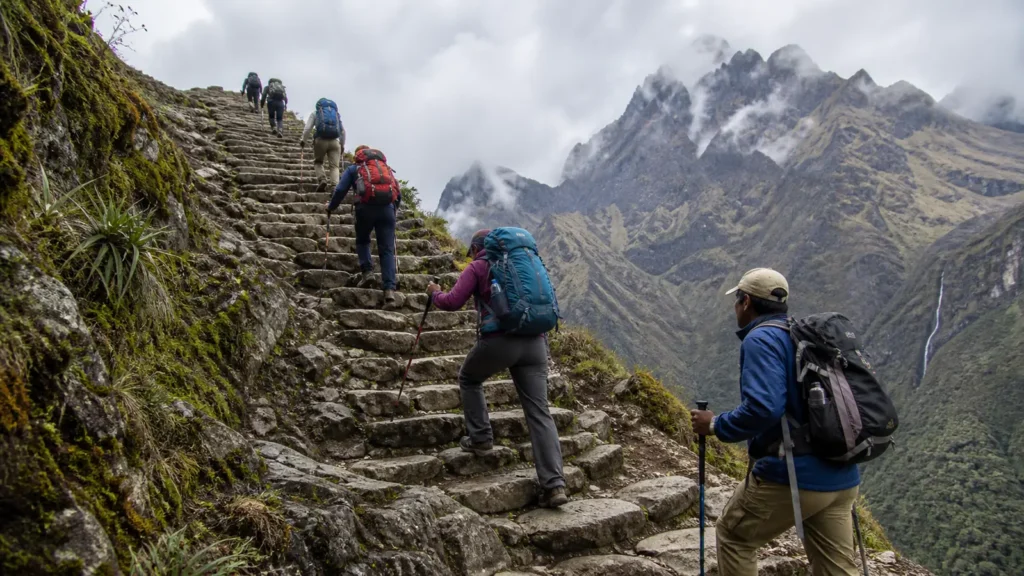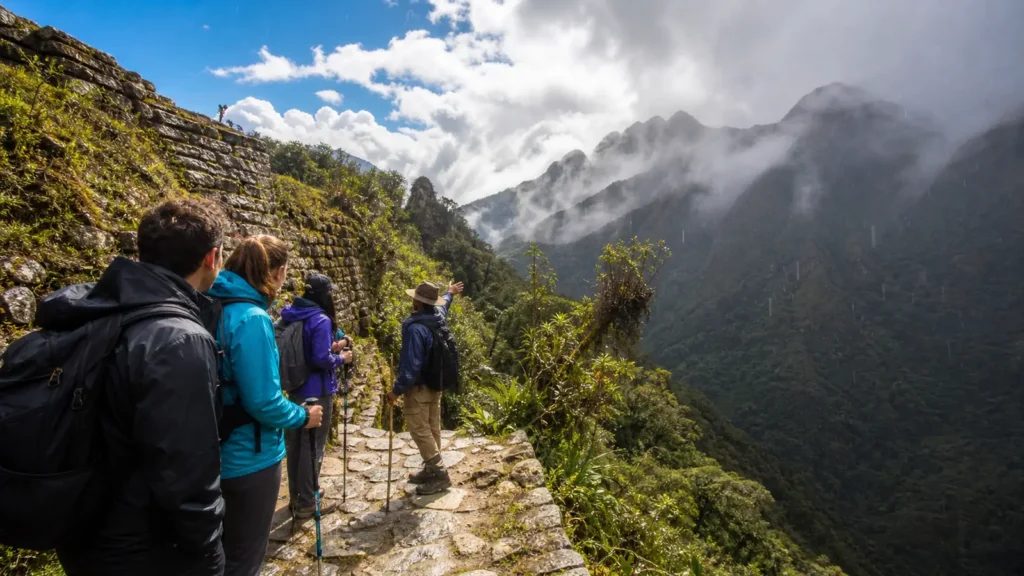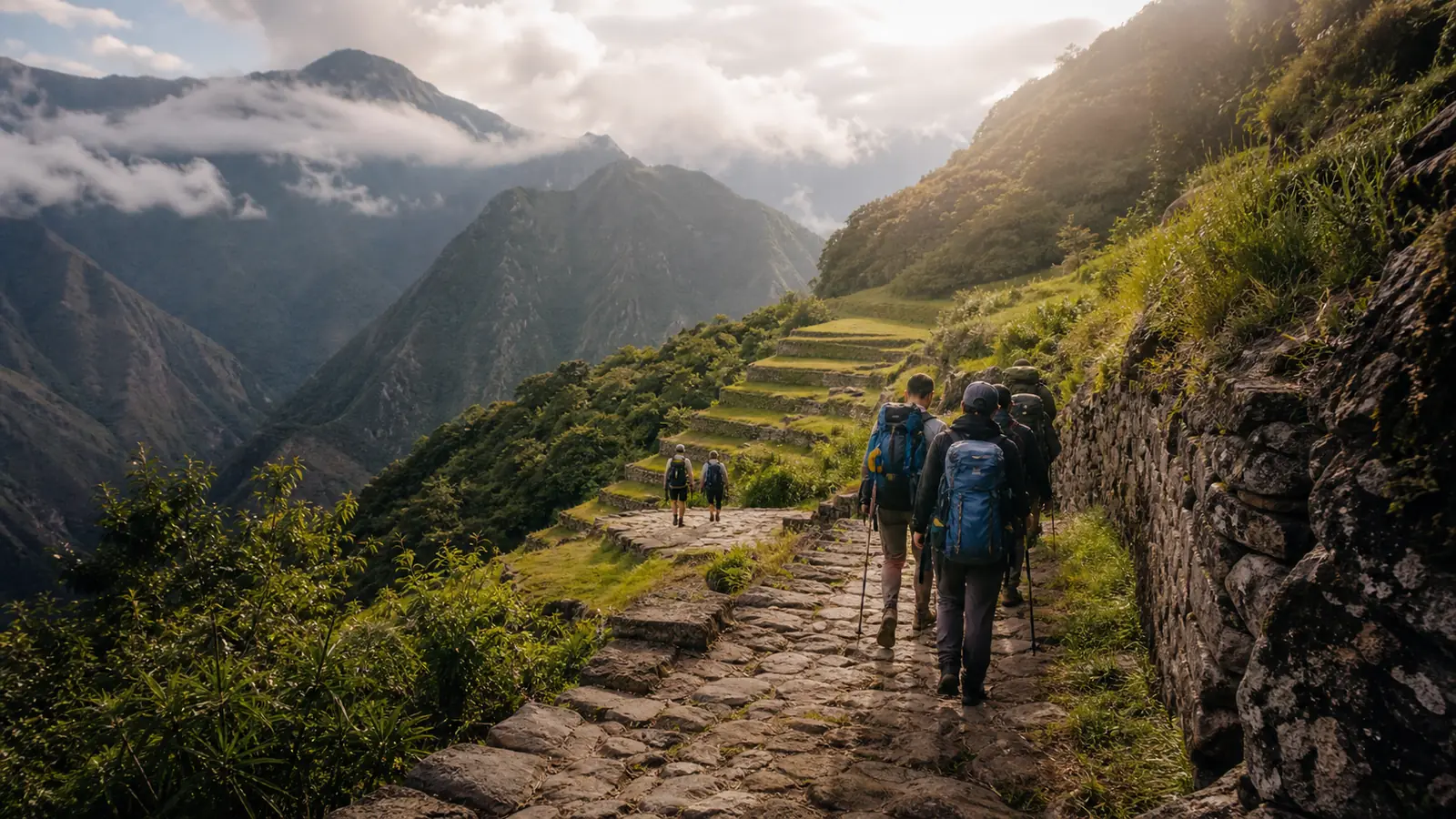

The Short Inca Trail and Classic Inca Trail share an extraordinary final approach to Machu Picchu, but they are designed for different travelers. The Short route normally begins near Chachabamba, climbs through cloud forest to Wiñay Wayna and continues toward Intipunku. The Classic route begins farther along the Urubamba Valley and spends several days crossing high passes, archaeological sites and camps before joining the final section.
Choose the Short Inca Trail when time is limited, camping is not appealing or several consecutive trekking days do not fit your trip. Choose the Classic Inca Trail when the multi-day journey itself is the goal and you want the fullest combination of mountain passes, camps and archaeology.
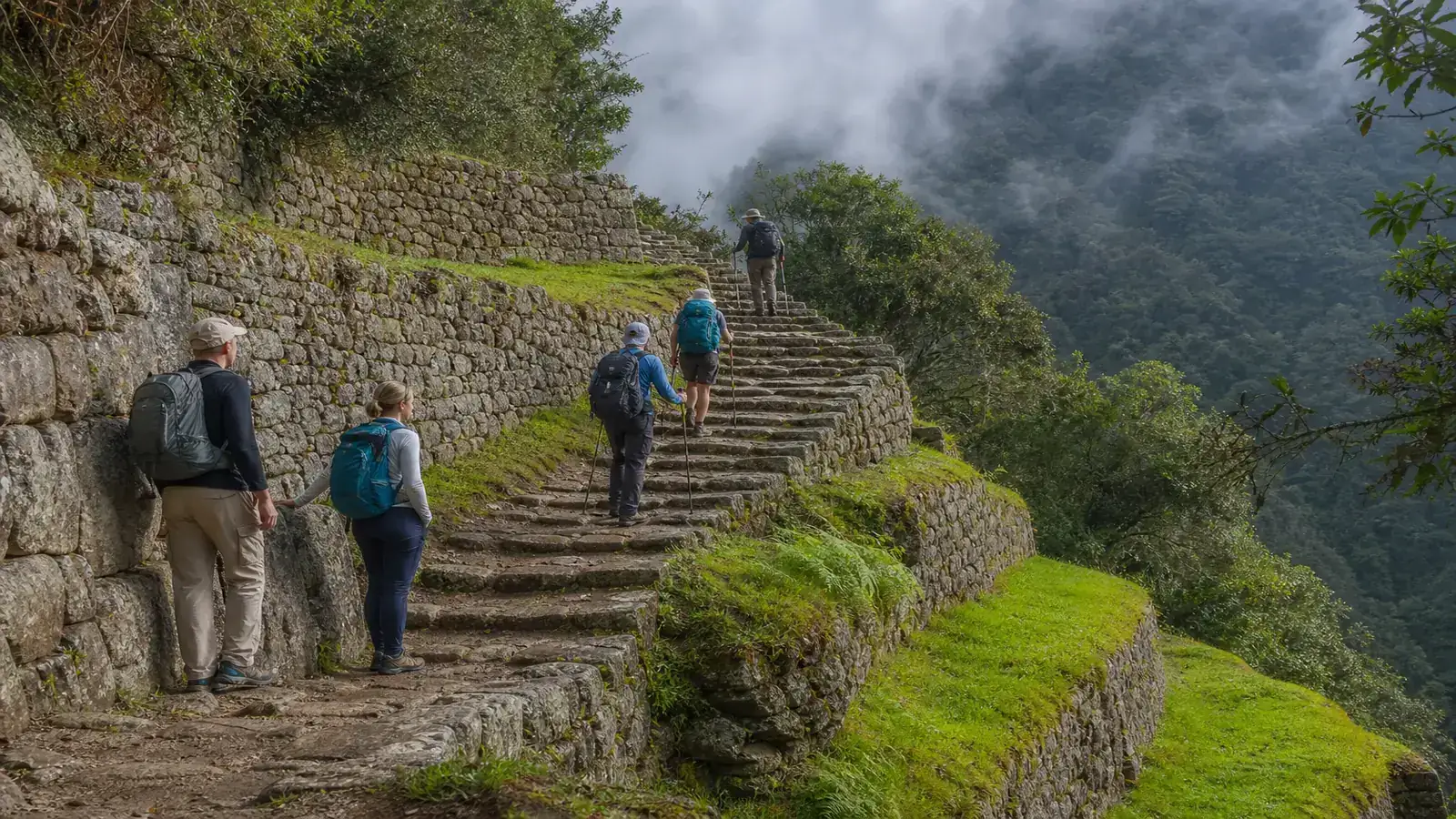
Short vs Classic Inca Trail at a Glance
| Factor | Short Inca Trail | Classic Inca Trail |
|---|---|---|
| Typical structure | One main hiking day plus the Machu Picchu visit | Several trekking and camping days before Machu Picchu |
| Camping | Usually no trail camping; commonly uses a hotel | Camping is a central part of the standard experience |
| Highest terrain | Lower than the major high passes of the Classic route | Crosses Dead Woman’s Pass and other high sections |
| Archaeology | Chachabamba, Wiñay Wayna and the final historic approach | More sites distributed across multiple days |
| Physical demand | A concentrated day with a substantial climb and stairs | Greater cumulative effort across consecutive days |
| Best for | Limited time and no-camping preferences | A complete multi-day trekking expedition |
Route and Duration
The Short Inca Trail is not simply the last easy hour of the Classic route. It has its own controlled entry near Chachabamba and includes a real uphill hike. Travelers climb through vegetation and stone sections before reaching Wiñay Wayna, one of the most impressive sites in the network. The route then continues toward Intipunku and the Machu Picchu area.
The Classic route develops more gradually over several days. It begins near the traditional trailhead, passes settlements and archaeological sites, climbs to Dead Woman’s Pass, continues through additional high points and cloud forest, and eventually joins the Wiñay Wayna section. See our distance guide and elevation profile for the longer route’s structure.
Difficulty: Shorter Does Not Mean Effortless
The Short route removes the cumulative fatigue of multiple camping days and the highest Classic pass. That makes it more accessible for many travelers. Nevertheless, the main hiking day can include a sustained ascent, humidity, sun exposure and numerous stone steps. Travelers should arrive acclimatized and prepared to walk for several hours.
The Classic route demands more endurance. Day 2 includes the climb to Dead Woman’s Pass, and later sections combine further ascent with long stairway descents. Recovery, sleep, weather and pack weight affect how difficult each day feels. Review how to train for the Inca Trail rather than relying only on general fitness.
Archaeological Experience
The Short route delivers exceptional archaeological value for its duration. Chachabamba introduces the historic network, and Wiñay Wayna combines terraces, water channels and architecture in a spectacular setting. The approach through Intipunku links the hike directly to Machu Picchu.
The Classic route offers more context because sites appear across several ecological zones. Hikers see how road engineering, ceremonial spaces and settlements relate to the wider landscape. If archaeology is your main motivation and you have the time and fitness, the Classic route provides the more complete narrative.
Camping and Comfort
Short-route programs commonly stay in Aguas Calientes rather than camping on the protected trail. This means a shower, a bed and a lighter logistical experience before the Machu Picchu visit. Exact hotel standards and meals depend on the package.
Camping is part of the Classic route’s character. It creates early mornings and evenings inside the mountain environment, but also requires comfort with tents, basic campsite facilities and changing temperatures. Read our campsite guide and compare sleeping bags, mattresses, porter service and personal baggage allowances before booking.
Permits and Availability
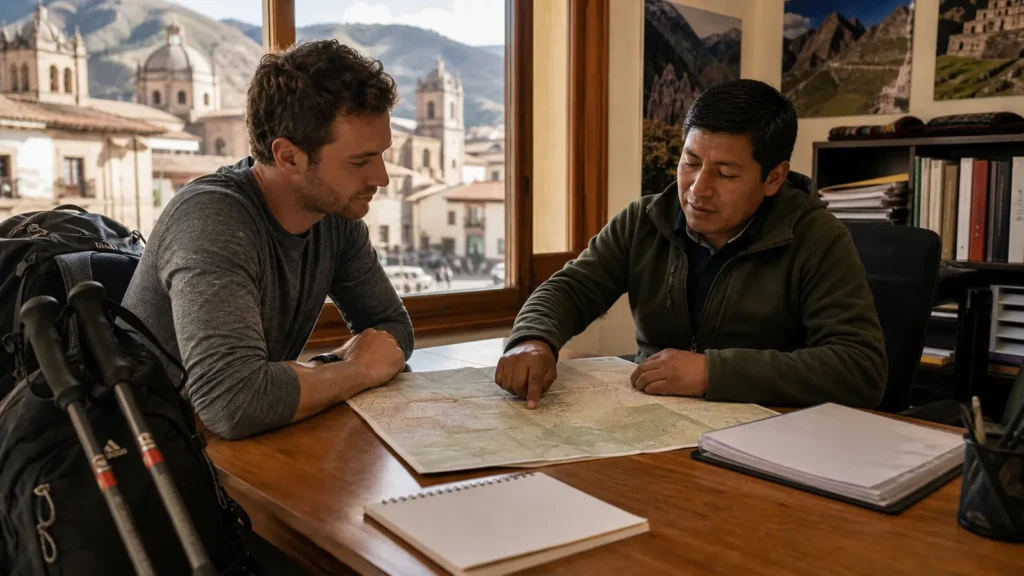
Both routes use controlled entries within the Inca road network. They are separate options with their own availability; space on one does not guarantee space on the other. Passport information and reservation details must be correct, and Machu Picchu arrangements also need confirmation.
Do not wait until arrival in Cusco to assume a space will appear. Check the permit process and ask the operator to confirm the trail entry, Machu Picchu admission, circuit, train and hotel components.
Weather and Packing
The Short route requires fewer clothes and no personal camping setup, but hikers still need rain protection, sun protection, water, suitable footwear and layers. Cloud-forest conditions can change quickly. The Classic route requires a more complete multi-day system and careful separation between the daypack and items carried by support staff.
Use the complete packing list and remove only items clearly supplied by your operator. Avoid carrying unnecessary weight on either route.
Choose the Short Inca Trail If…
- You want a genuine Inca Trail hike but have limited time.
- You prefer a hotel to camping.
- You want Wiñay Wayna and the Sun Gate without several trekking days.
- You are prepared for one concentrated hiking day but not a full expedition.
Choose the Classic Inca Trail If…
- The multi-day journey is as important as Machu Picchu.
- You want more archaeological sites and landscape transitions.
- You are comfortable camping and hiking on consecutive days.
- You have trained for high passes and long stone descents.
Final Decision
The Short Inca Trail offers the strongest condensed version of the historic approach. The Classic route offers the complete expedition. Neither is the wrong choice when it matches your time, fitness and preferred comfort. Compare the Short Inca Trail 2 Days with the Classic Inca Trail 4 Days, then confirm current availability before arranging the rest of your Peru trip.
Frequently Asked Questions
Does the Short Inca Trail reach the Sun Gate?
The regulated Short route normally continues through the Wiñay Wayna area toward Intipunku, subject to the authorized itinerary and current operating conditions.
Do I need a permit for the Short Inca Trail?
Yes. It is a controlled route, not an unrestricted day hike. Confirm the correct entry and traveler details through an authorized operator.
Is the Short Inca Trail suitable for beginners?
It can be suitable for active beginners who acclimatize and prepare, but the main hiking day still involves sustained climbing and stone steps. Individual health and conditions matter.