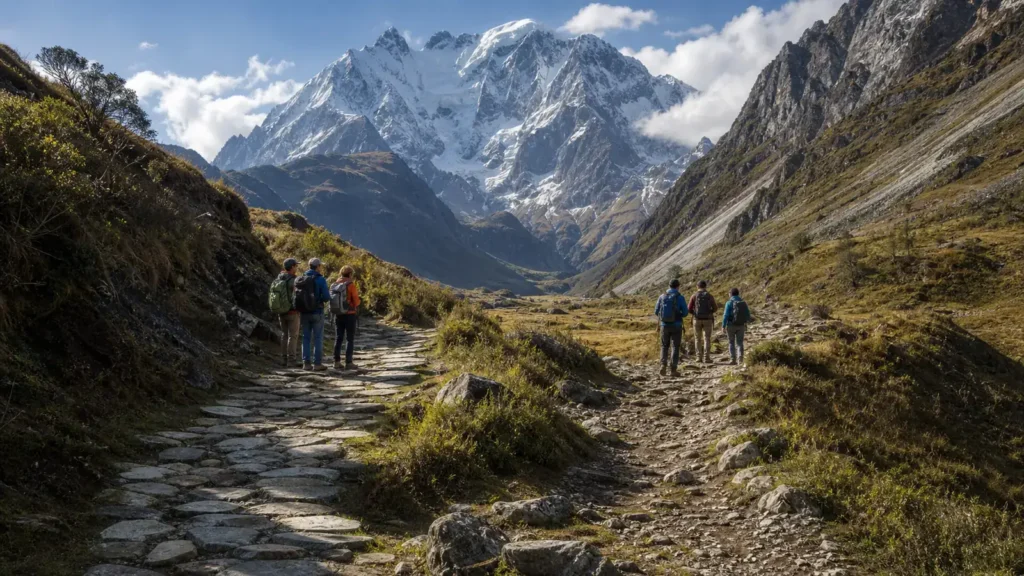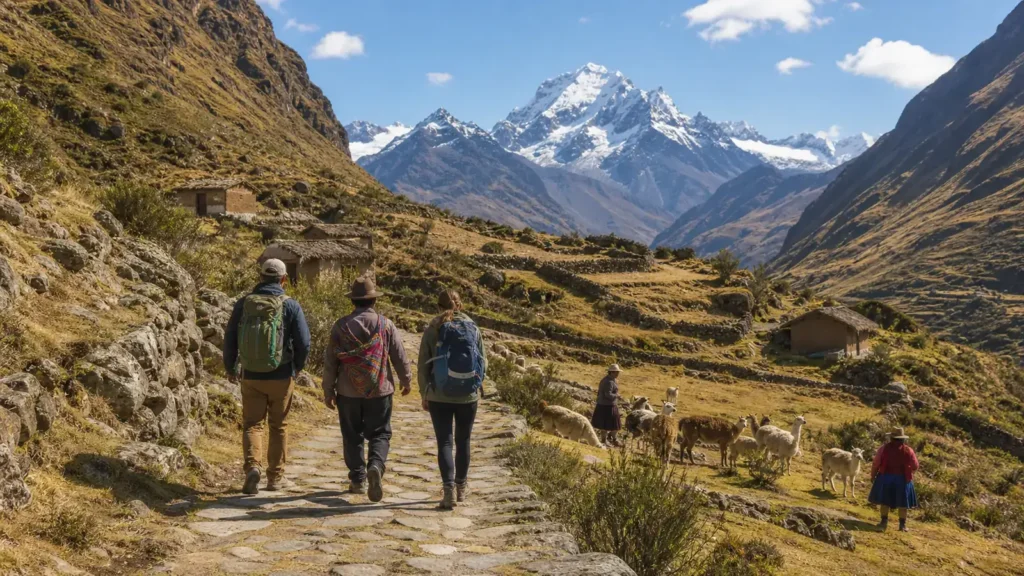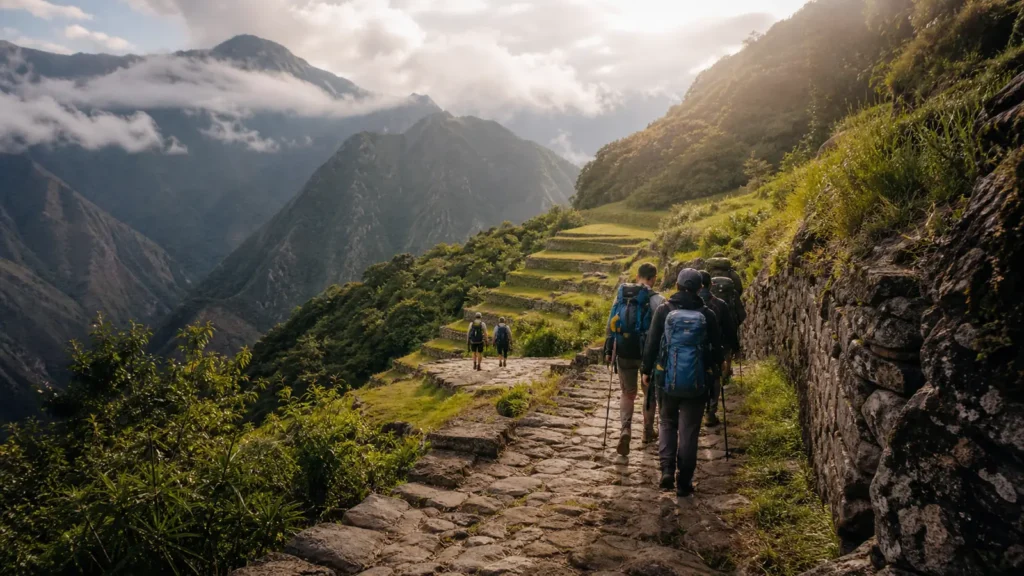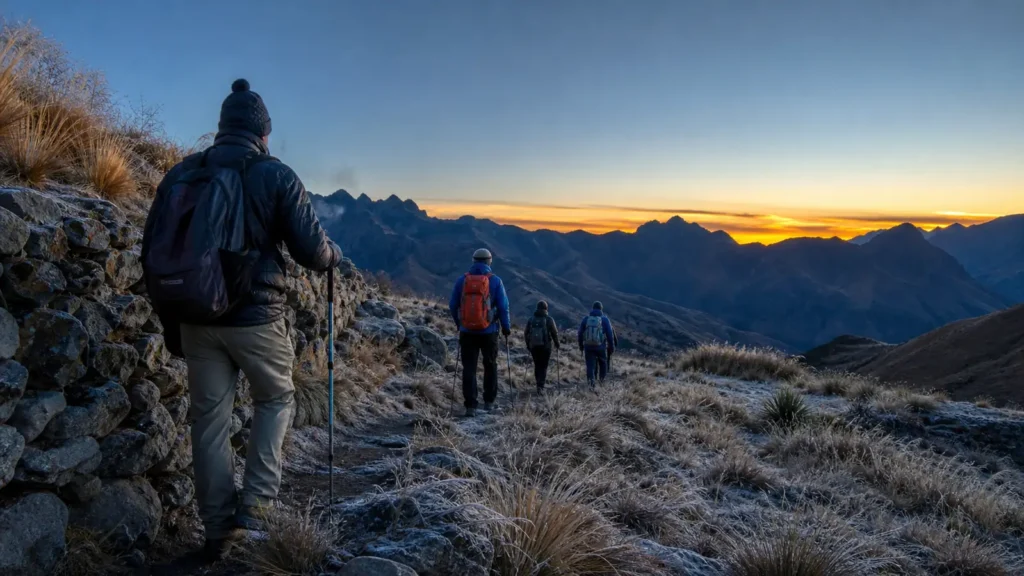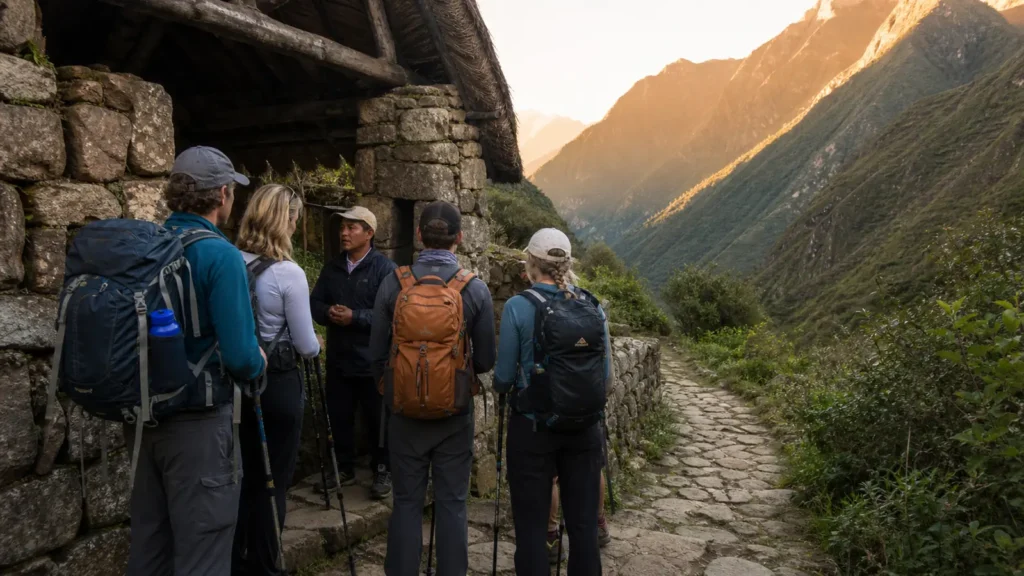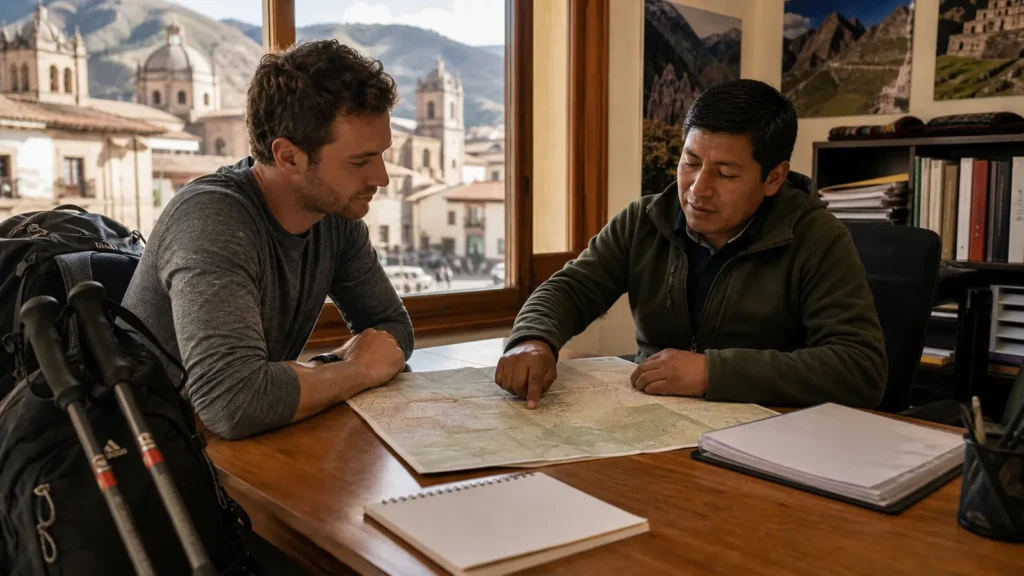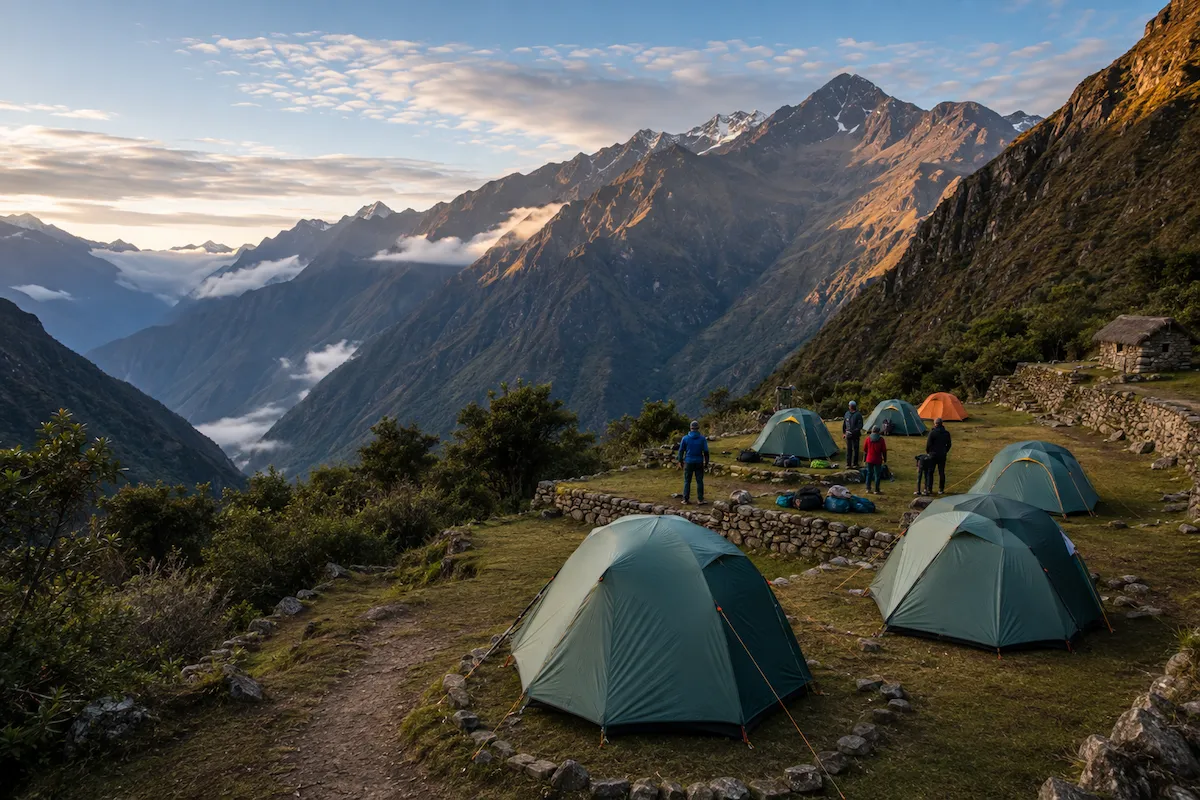

The Classic Inca Trail is a camping trek. After each hiking day, you sleep at designated campsite areas along the route instead of returning to a hotel.
Understanding the camping experience before your trip helps you pack correctly and set realistic expectations about facilities, temperature and sleeping conditions.
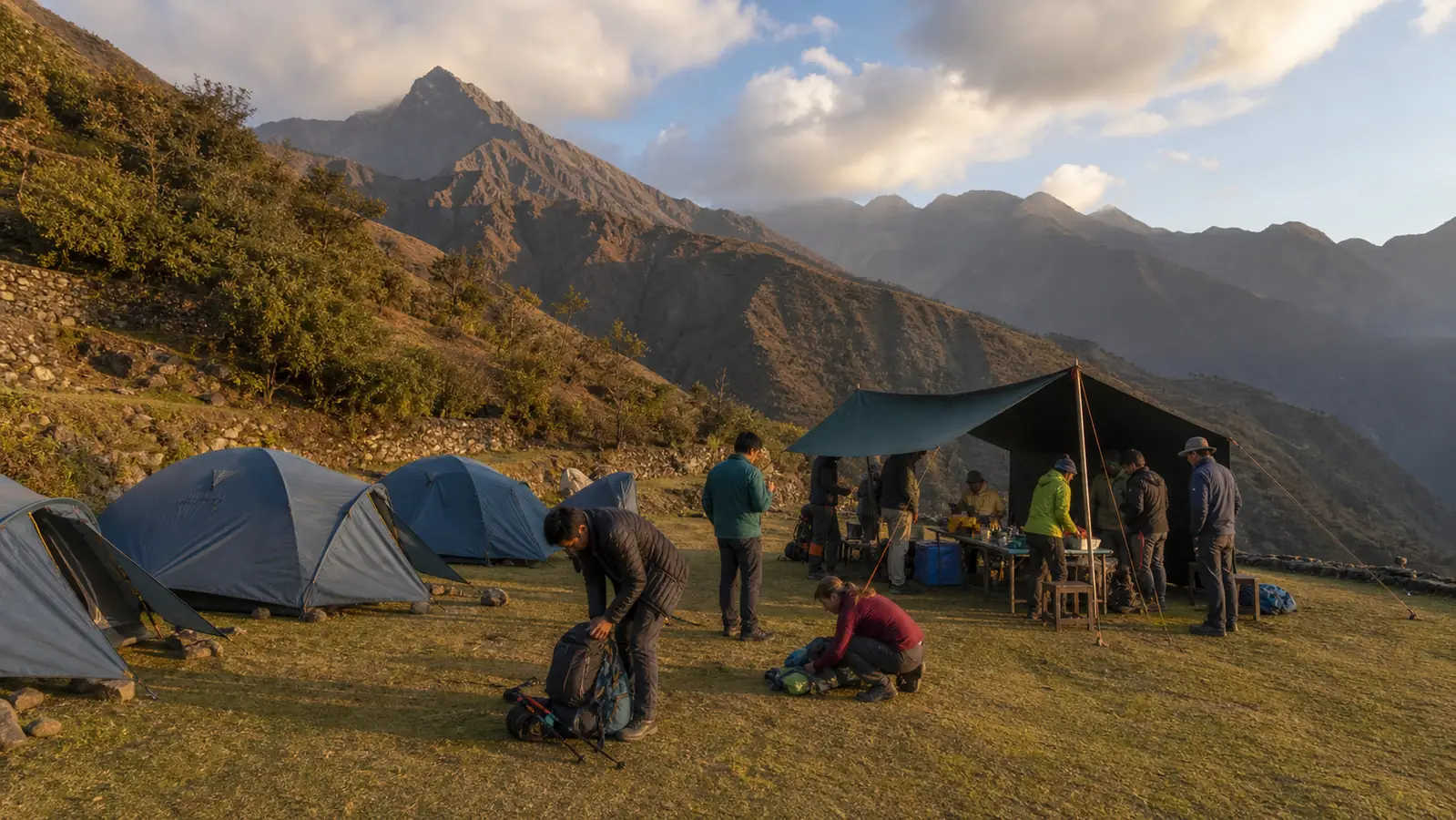
Where Do You Camp on the Inca Trail?
Campsites are assigned within designated areas along the regulated route.
Exact camping locations can vary according to the itinerary, availability and current operational arrangements.
This means two groups hiking similar itineraries may not necessarily sleep at exactly the same campsite each night.
Common Camping Areas
Depending on the route structure and assignments, trekking itineraries may use areas around places such as:
- Wayllabamba
- Ayapata
- Pacaymayo
- Chaquicocha
- Wiñay Wayna region
Your confirmed itinerary and campsite assignments determine the actual overnight locations.
What Are Inca Trail Campsites Like?
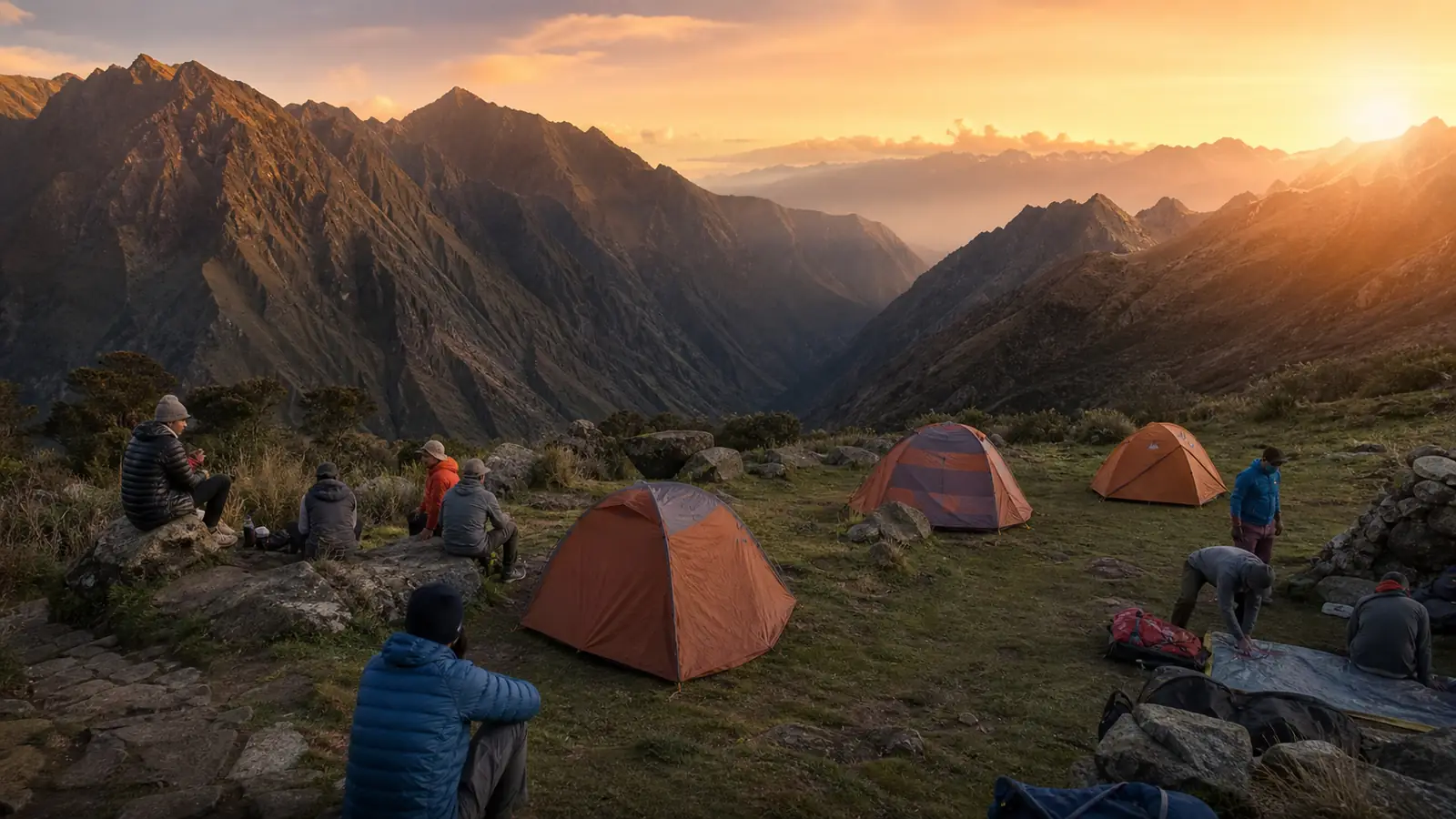
These are mountain campsites rather than hotels or developed tourist resorts.
You should expect basic outdoor conditions with tents and limited facilities.
Do You Sleep in Tents?
Yes. The Classic route uses tents for overnight accommodation.
Your trekking package should explain which camping equipment is provided and which personal items you need to bring or rent.
Sleeping Bags
Check whether a sleeping bag is included, available for rent or something you need to provide yourself.
The appropriate warmth level depends on expected temperatures and the time of year.
How Cold Are the Campsites?
Night temperatures can fall considerably, particularly at higher elevations and during drier periods of the year.
Your warm layers are therefore important even if daytime hiking feels comfortable.
Review the Inca Trail altitude guide when preparing for high-elevation nights.
Do Inca Trail Campsites Have Bathrooms?
Bathroom facilities are basic and vary along the route.
You should not expect the same standard as a hotel bathroom.
We will cover this in more detail in our dedicated Inca Trail bathrooms guide.
Are There Showers?
Shower availability and quality are limited, and many travelers treat the Classic Inca Trail as several days of basic mountain camping.
Bring practical hygiene items instead of assuming you will have access to a conventional hot shower every night.
What Hygiene Items Should You Bring?
Useful personal items may include:
- Hand sanitizer
- Toilet paper
- Personal hygiene products
- Small quick-dry towel
- Toothbrush
- Small toothpaste
See the complete Inca Trail packing list.
Do Campsites Have Electricity?
You should not rely on convenient charging access at campsites.
Bring a portable battery if you need to keep a phone, camera or other small device charged during the trek.
What Happens When You Arrive at Camp?
After completing the hiking day, your trekking team coordinates the campsite logistics.
You have time to rest, organize your equipment and prepare for the next day’s hike.
Meals at Camp
Multi-day Inca Trail packages generally include meal logistics during the trek according to the service you booked.
Check your package inclusions before departure.
How Much Luggage Do You Have at Camp?
You should not bring your full Peru suitcase onto the Inca Trail.
Your trek uses a limited amount of personal equipment, while unnecessary luggage remains stored away from the trail.
Keep Your Tent Organized
Mountain camping is easier when your equipment has a consistent place.
Keep important items such as a headlamp, warm layer and personal medication accessible.
Protect Your Gear From Moisture
Even if the forecast looks dry, keep important clothing and electronics protected inside waterproof bags.
Mountain conditions can change quickly.
Campsites and Altitude
Your sleeping elevation affects temperature and how your body feels at night.
This is another reason acclimatization before the trek matters.
Campsites and Daily Distance
Campsite assignments influence how the approximately 42-kilometer route is divided between hiking days.
Read our Inca Trail distance guide to understand the overall route length.
Campsites and Elevation Profile
Some nights take place higher than others.
The elevation profile helps explain why nighttime temperatures and daily effort can vary.
See our Inca Trail elevation profile.
What to Wear at Camp
After you stop hiking, your body cools down quickly.
Have warm, dry layers available rather than staying in damp hiking clothing throughout the evening.
Headlamp
A headlamp is one of the most useful campsite items because it keeps both hands free while moving around after dark.
Earplugs
Light sleepers may find earplugs useful in a shared camping environment.
How to Sleep Better on the Inca Trail
- Keep warm layers available
- Use appropriate sleeping equipment
- Keep the tent organized
- Avoid unnecessary screen use before sleeping
- Keep important items within reach
Camping Mistakes to Avoid
Bringing Too Much Equipment
More gear does not automatically make camping more comfortable.
Leaving Warm Clothing Buried in Your Bag
Prepare your evening layer before temperatures fall.
Relying on Electricity
Bring portable power if charging matters to you.
Ignoring Waterproof Storage
Protect dry clothing and electronics from moisture.
Frequently Asked Questions About Inca Trail Campsites
Do you sleep in hotels?
No. The Classic Inca Trail is a camping trek.
Are tents included?
Camping equipment is typically part of an organized trekking service, but always check the specific package you book.
Are there toilets?
Basic facilities exist along the route, but standards vary.
Can I charge my phone?
Do not rely on regular electricity at campsites. Carry a portable battery if necessary.
Are campsites cold?
Some campsites can become cold at night, particularly at higher elevation.
Know What to Expect Before You Leave Cusco
Camping is an important part of the Classic Inca Trail experience.
Prepare for basic facilities, variable temperatures and limited electricity, and bring only the equipment that genuinely improves your comfort.
If you are still organizing your trek, return to our guide on how to plan the Inca Trail to Machu Picchu.