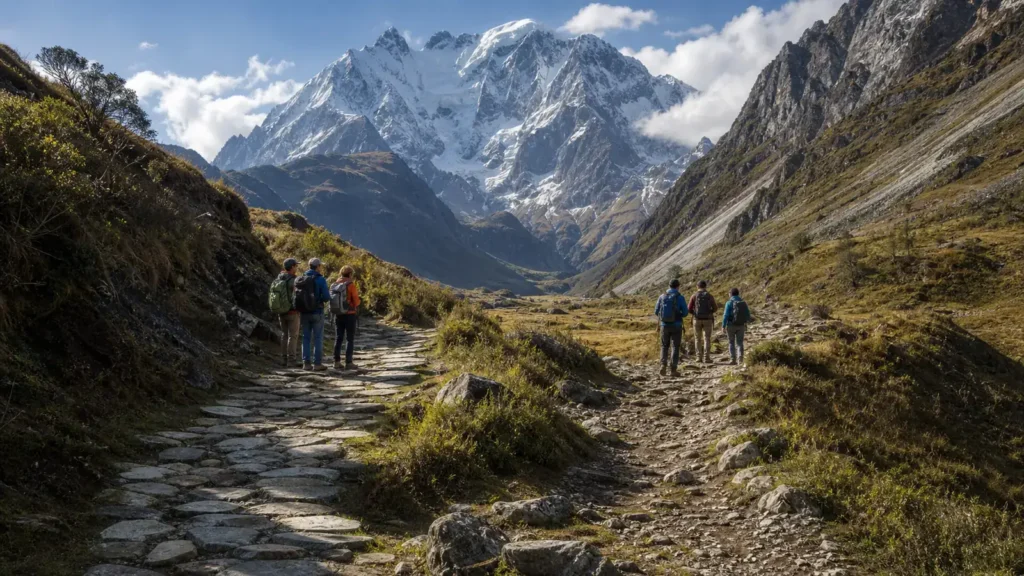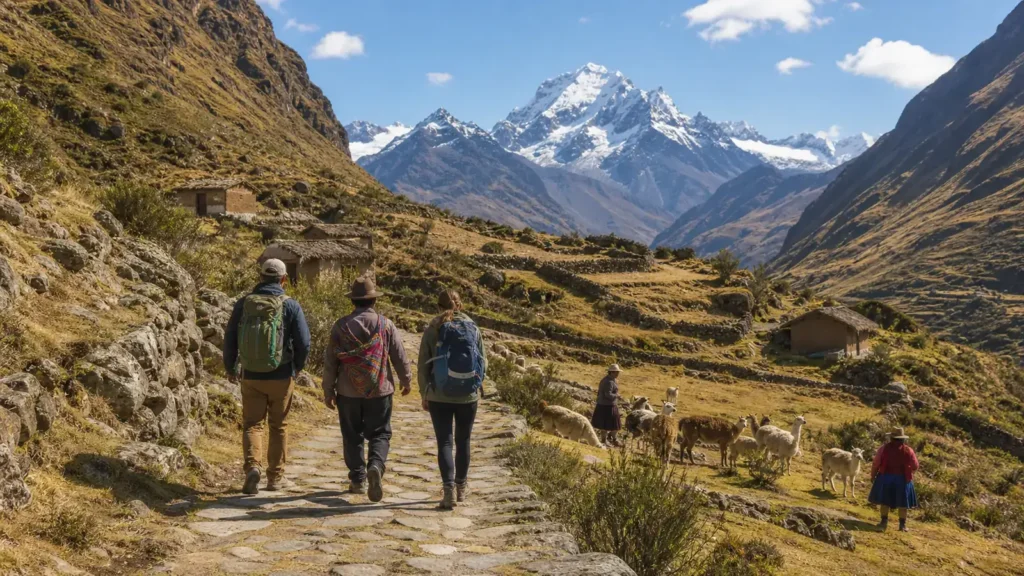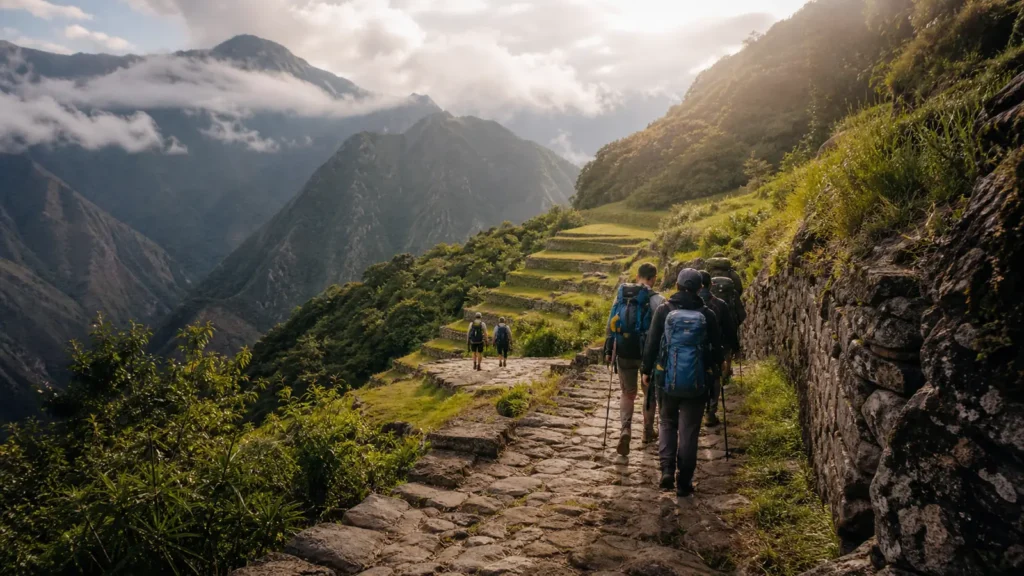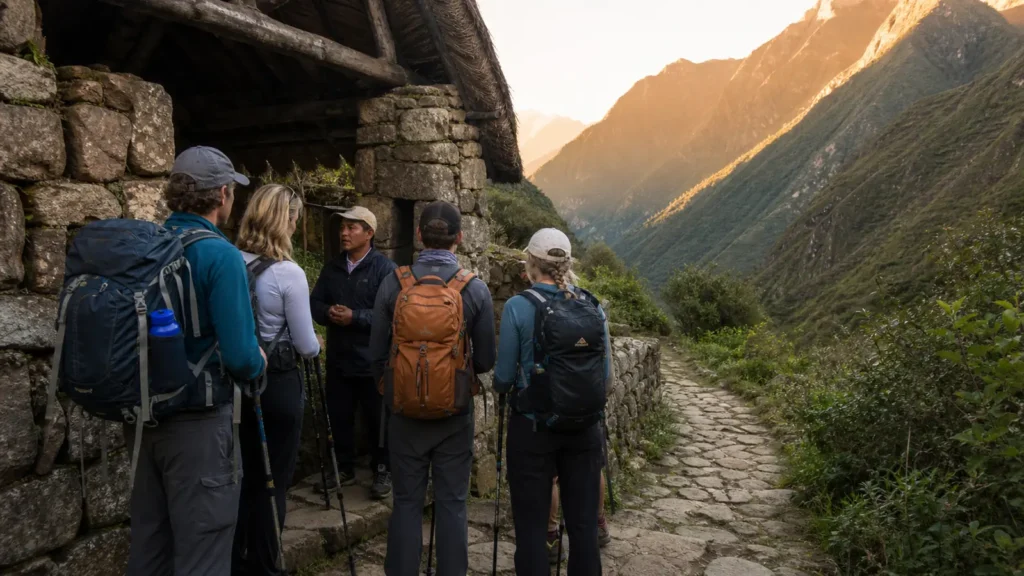

The Inca Trail in July is associated with dry-season trekking, clearer views and cold nights. It also overlaps with major international vacation periods, so demand can be strong. July is a good fit for travelers who prioritize a greater chance of stable trail conditions and are willing to reserve early and prepare for low nighttime temperatures.
Dry season does not eliminate rain or weather-related changes. Pack a complete system rather than relying on the monthly label.
July Weather
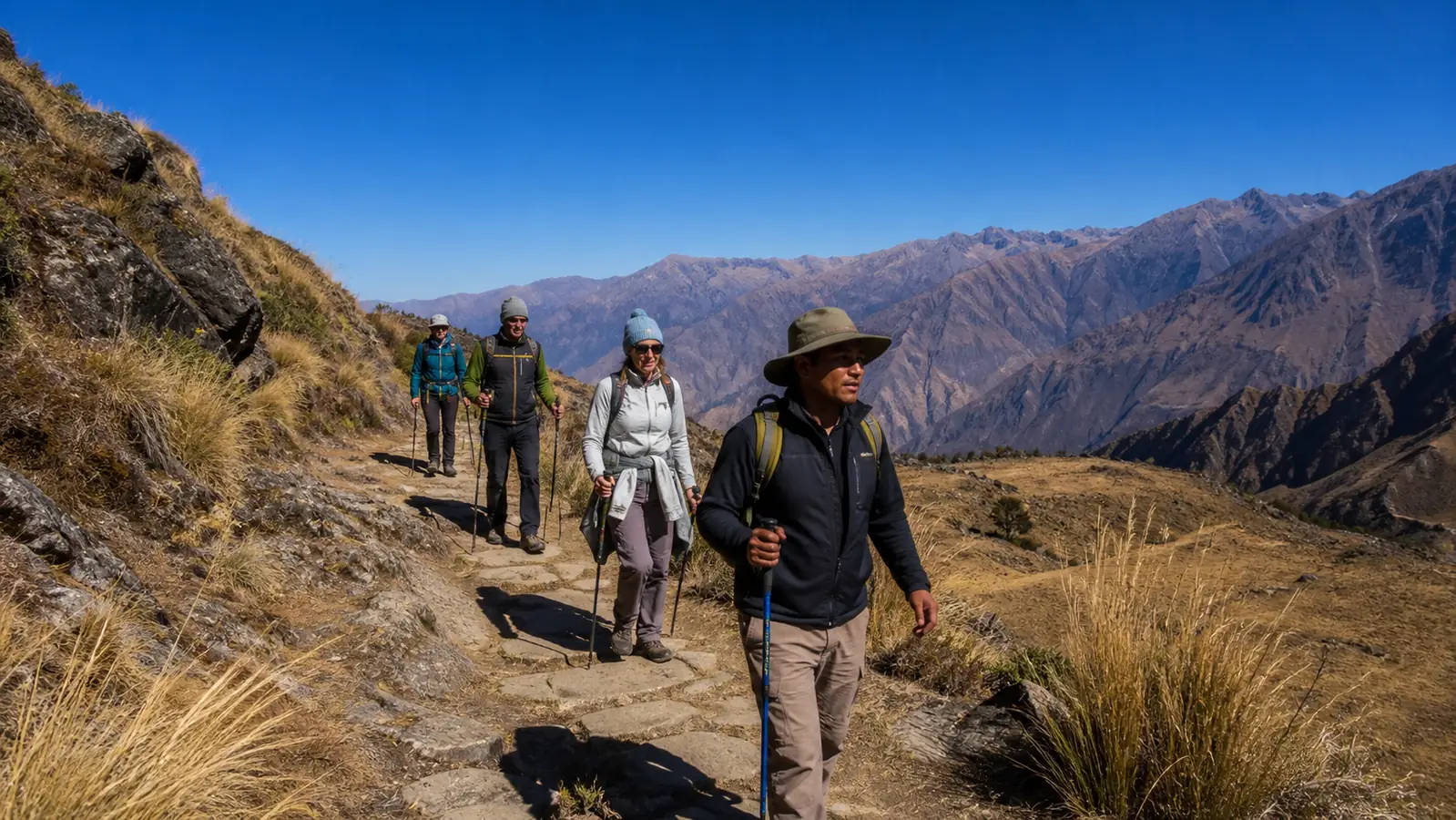
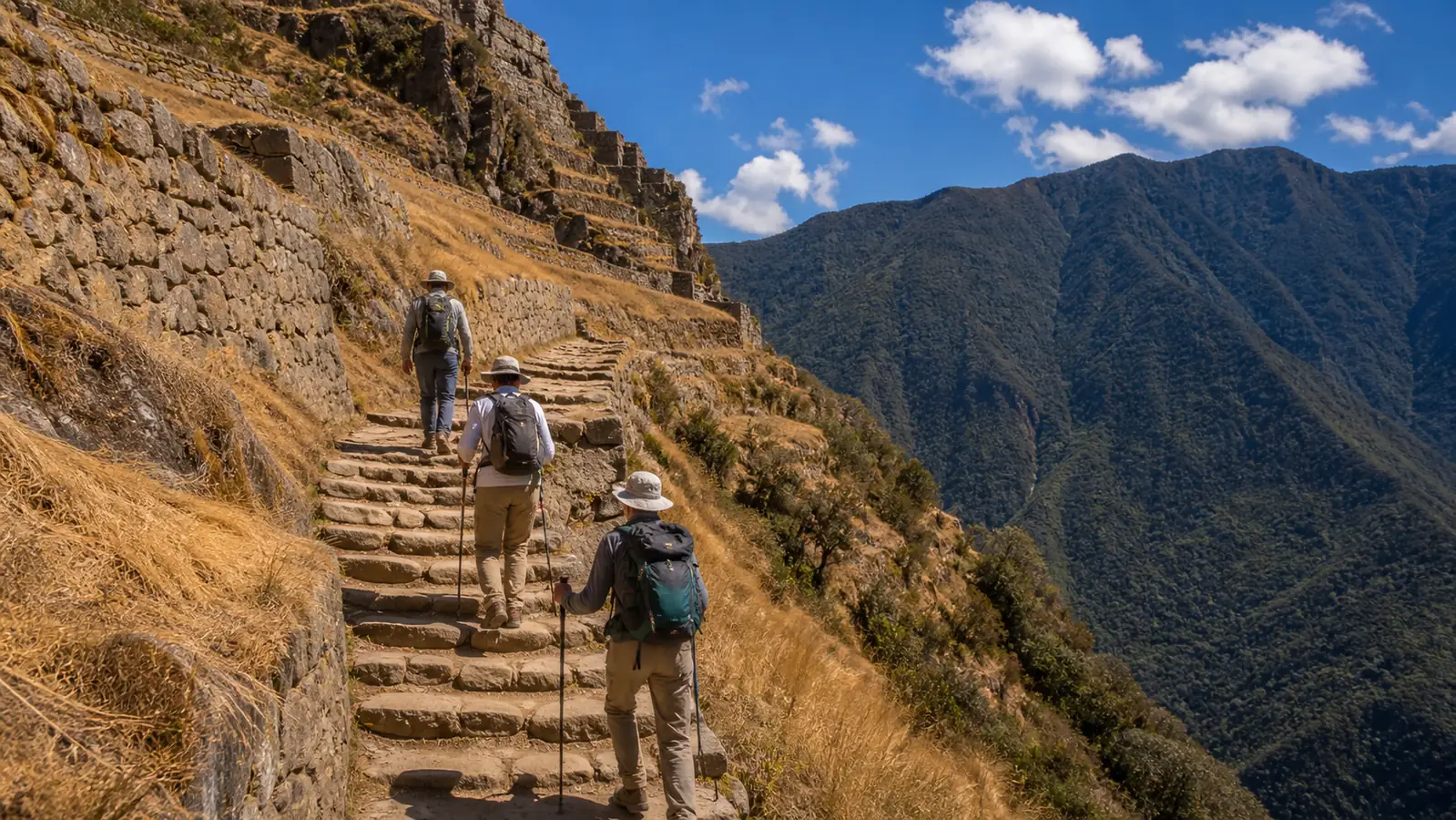
Days may offer bright sun and clear mountain visibility, while shaded sections remain cool. High camps and exposed passes can feel cold, especially before sunrise and after sunset. UV exposure remains important at altitude.
Trail Conditions
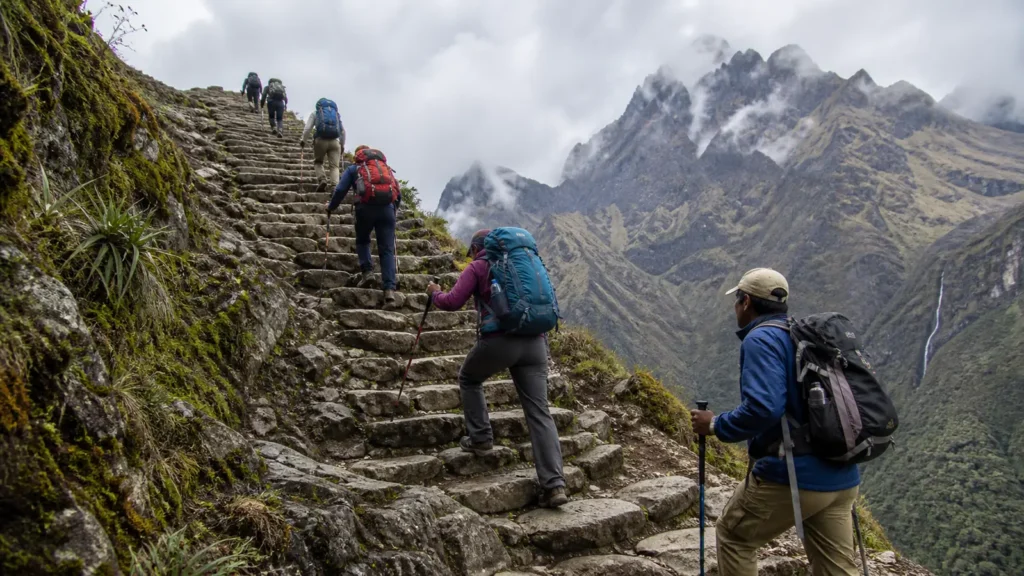
Stone and unpaved sections are often drier than during the wet season, which can improve traction. Dust may replace mud in some areas. Uneven stairs and long descents remain physically demanding regardless of surface dryness.
Advantages of July
- Greater chance of stable views and hiking conditions
- Drier trail surfaces
- Good fit for travelers using mid-year holidays
- Clear conditions can support landscape photography
July Tradeoffs
- Strong demand and limited flexibility on popular dates
- Cold nights and early mornings
- Busy Cusco, Sacred Valley and Machu Picchu services
- Intense sun during clear days
Booking July
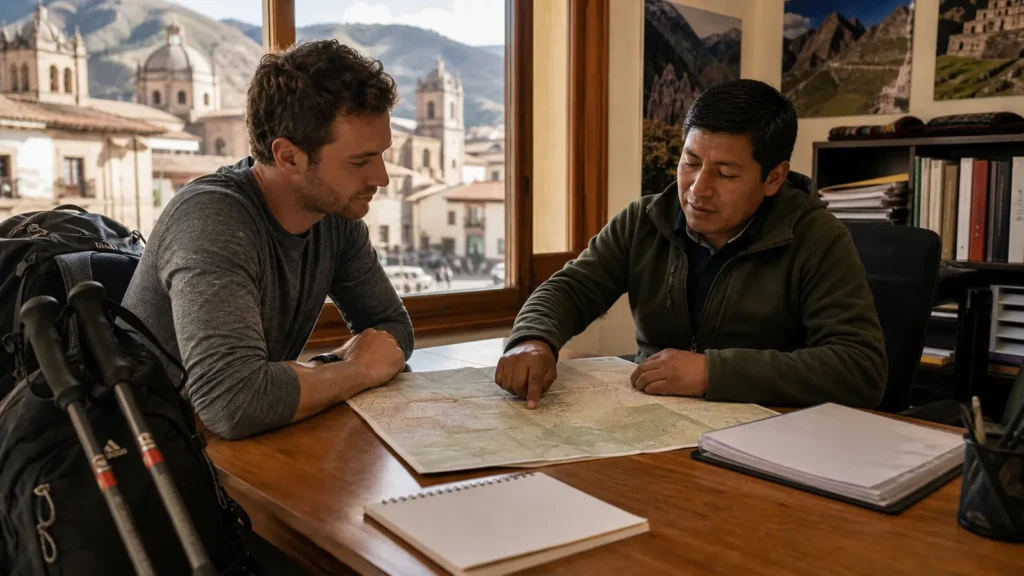
Begin by checking availability, then coordinate flights and hotels. Provide accurate traveler documents quickly, read the conditions and obtain written confirmation. Avoid relying on resale claims or informal permit offers.
July Packing
Bring warm camp clothing, a suitable sleeping bag, waterproof outerwear, sun protection, moisturizer or lip protection for dry air and layers that can be removed while climbing. Keep the daypack light and follow the operator’s baggage allowance.
Training
Drier steps do not reduce altitude or cumulative elevation change. Train on hills and stairs, including downhill control. Back-to-back hikes prepare the legs better than one isolated long walk. Use our training plan.
Is July Right for You?
Choose July if dry-season tendencies are worth the colder nights, busy services and need for early booking. Consider May, September or a transition month if your priorities differ, while remembering that weather remains variable everywhere.
Frequently Asked Questions
Will I see crowds?
The regulated trail has controlled entry, but groups share the corridor and connected services can be busy.
Can July nights reach freezing conditions?
High camps can feel very cold and conditions vary. Confirm equipment recommendations for the itinerary.
Is July easier because it is dry?
Drier surfaces may help traction, but altitude, passes, steps and consecutive days remain demanding.