
Planning the Inca Trail to Machu Picchu involves more than choosing a travel date. You need to decide which version of the trail fits your trip, check permit availability, prepare for the altitude, train for several days of hiking, organize your equipment and arrive in the Cusco region with enough time before the trek.
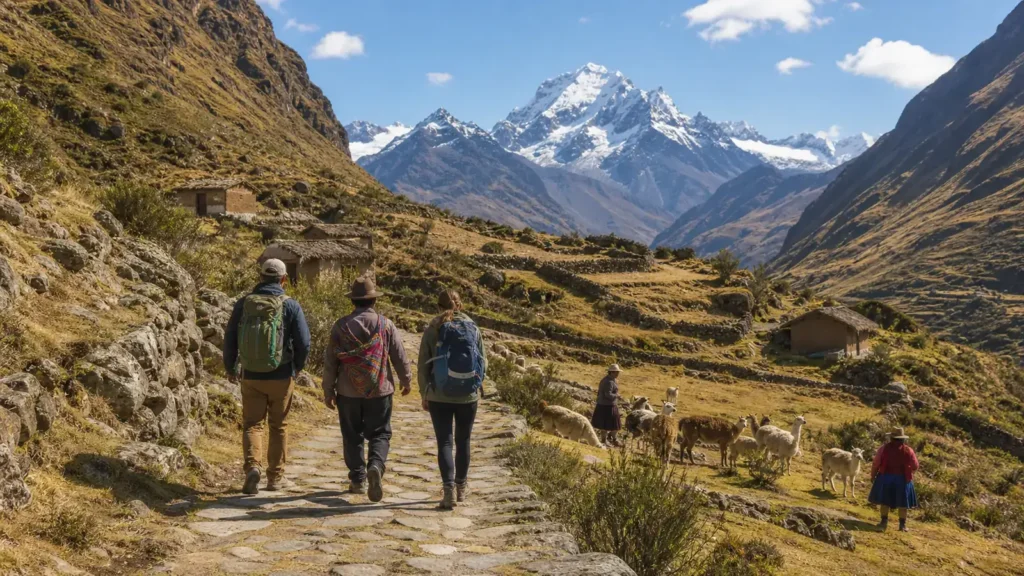
The Classic Inca Trail combines high Andean passes, archaeological sites, cloud forest and an approach toward Machu Picchu through one of Peru’s best-known trekking routes. Because access is regulated and the trek takes place at high elevation, good preparation can make a major difference to your experience.
Choose the Right Inca Trail Route
Your first decision is whether you want the complete multi-day Classic Inca Trail or a shorter version of the route.
Classic Inca Trail
The Classic route is the best choice if you want several days of trekking, camping, archaeological sites and the complete mountain experience before reaching Machu Picchu.
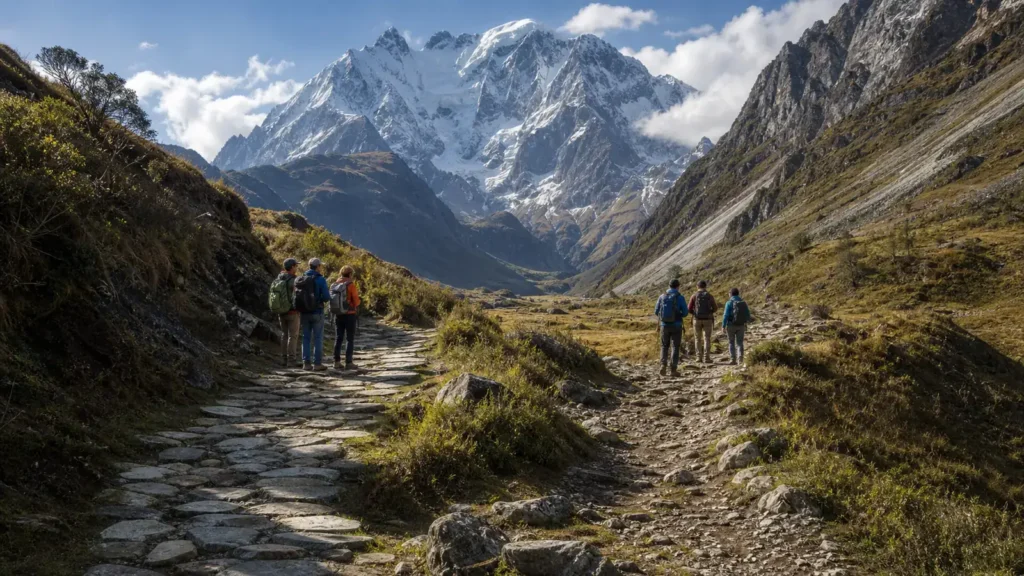
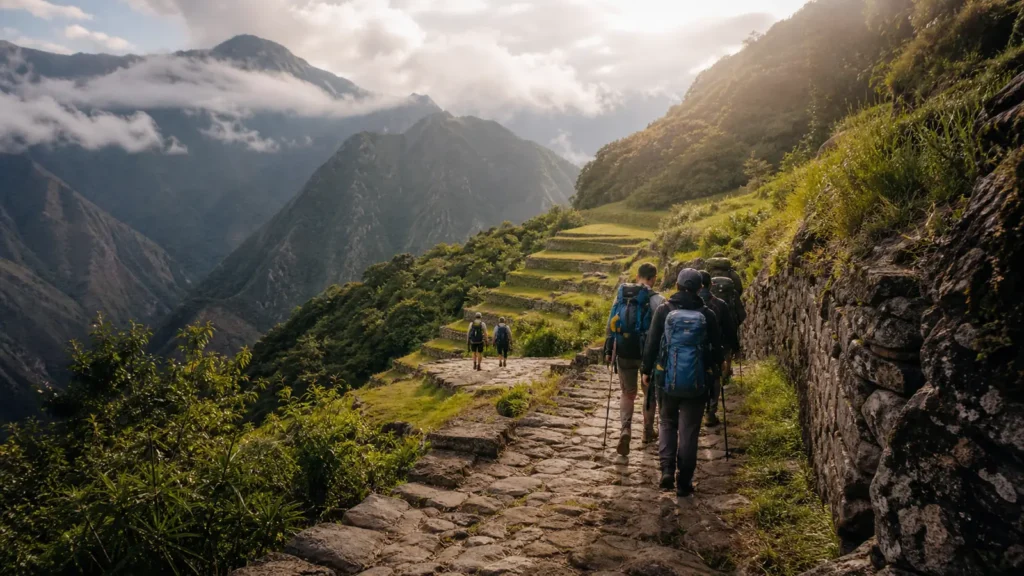
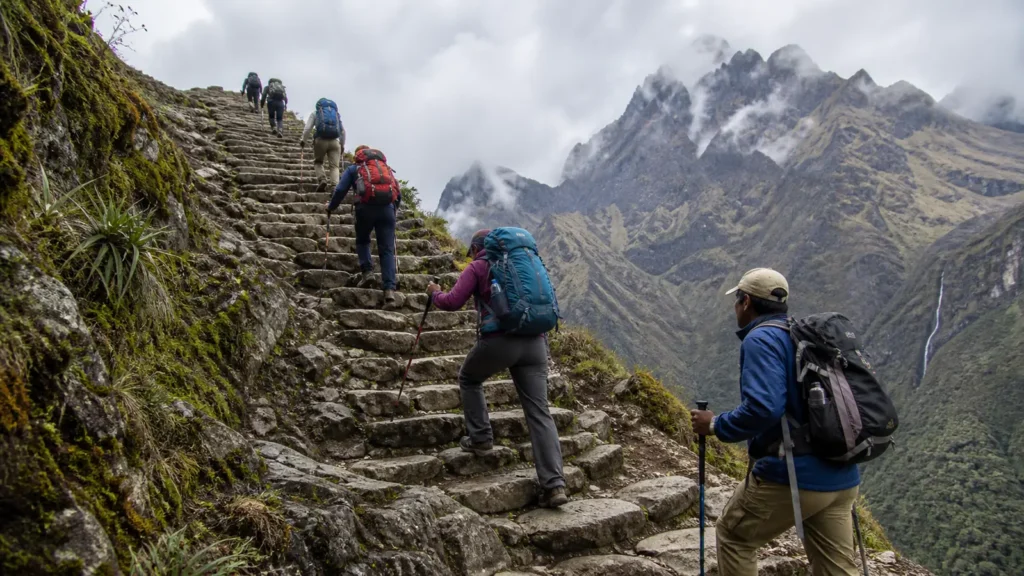
The route includes long ascents and descents, stone staircases and a high mountain pass. It requires more preparation than a standard day hike.
If this is the experience you want, see our 4-Day Inca Trail to Machu Picchu.
Short Inca Trail
The Short Inca Trail is designed for travelers who want to hike part of the historic route but do not have enough time for a full multi-day trek.
It involves considerably less trekking and does not reproduce the complete Classic Inca Trail experience, but it can be a practical alternative if your Peru itinerary is limited.
Check Inca Trail Availability Before Planning the Rest of Your Trip
One of the most important parts of planning the Inca Trail is checking whether spaces are available for your preferred departure date.
Unlike many unrestricted trekking routes, access to the regulated Inca Trail is controlled. You should therefore avoid building your entire Peru itinerary around one specific trekking date without first checking availability.
Read our Inca Trail permits guide to understand how the reservation process works.
Choose the Best Time for Your Trek
The Inca Trail can feel very different depending on the time of year.
Drier periods generally provide more stable trail conditions, while wetter periods can bring greener landscapes, cloud cover, rain and slippery stone sections.
There is no single month that is automatically best for every traveler. Your priorities may include lower rainfall, fewer visitors, greener scenery or greater flexibility with your Peru itinerary.
Use our complete guide to the best time to hike the Inca Trail before choosing your dates.
Understand How Difficult the Inca Trail Is
The Classic Inca Trail is manageable for many active travelers, but it should not be underestimated.
The challenge comes from several factors working together:
- Multiple days of hiking
- High elevation
- Steep ascents
- Long stone staircases
- Extended descents
- Changing weather
- Uneven terrain
Distance alone does not explain how the trek feels. A relatively short section can feel demanding when you are climbing at altitude.
Read our full guide to Inca Trail difficulty before deciding whether the trek suits your current fitness level.
Prepare for the Altitude
Altitude is one of the most important considerations when planning the Classic Inca Trail.
The route reaches elevations above 4,000 meters, and the highest point is Dead Woman’s Pass, also known as Warmiwañusca.
You may be physically fit and still notice the effects of elevation. Fitness and altitude tolerance are not the same thing.
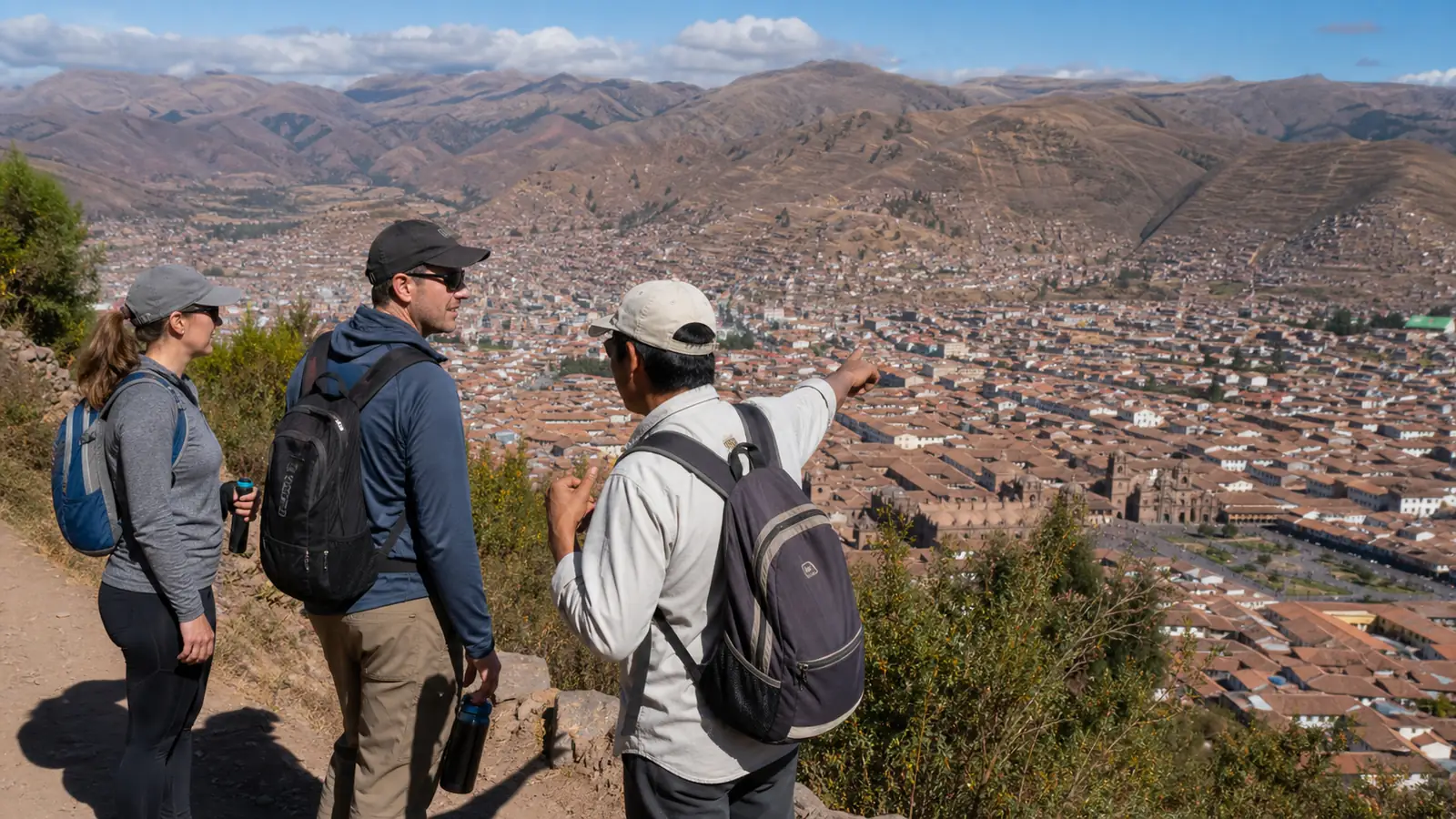
Allow Time to Acclimatize
If your itinerary allows it, avoid arriving from sea level and immediately beginning a demanding high-altitude trek.
Spending time in Cusco or the Sacred Valley before departure gives your body time to begin adapting to the elevation.
Our Inca Trail altitude guide explains the important elevations along the route and what to expect at the highest sections.
Train Before Traveling to Peru
You do not need to become an extreme athlete to hike the Inca Trail. You do, however, benefit from arriving with a reasonable base of cardiovascular endurance and leg strength.
Useful preparation includes:
- Regular walking
- Hiking on uneven terrain
- Hill walking
- Stair climbing
- Cardiovascular exercise
- Lower-body strength work
- Training with a light daypack
Whenever possible, practice walking uphill and downhill rather than completing all your training on flat surfaces.
Break in Your Hiking Shoes Before the Trek
Do not use brand-new hiking footwear for the first time on the Inca Trail.
Wear your shoes or boots during training so you know how they feel during longer walks. This also gives you time to identify pressure points or fit problems before traveling.
Use a Layering System
Conditions can change throughout the day. You may feel warm while climbing in direct sunlight and considerably colder when you stop or reach a higher section of the route.
A simple layering system lets you add or remove clothing without carrying an excessive amount of equipment.
What Should You Pack?
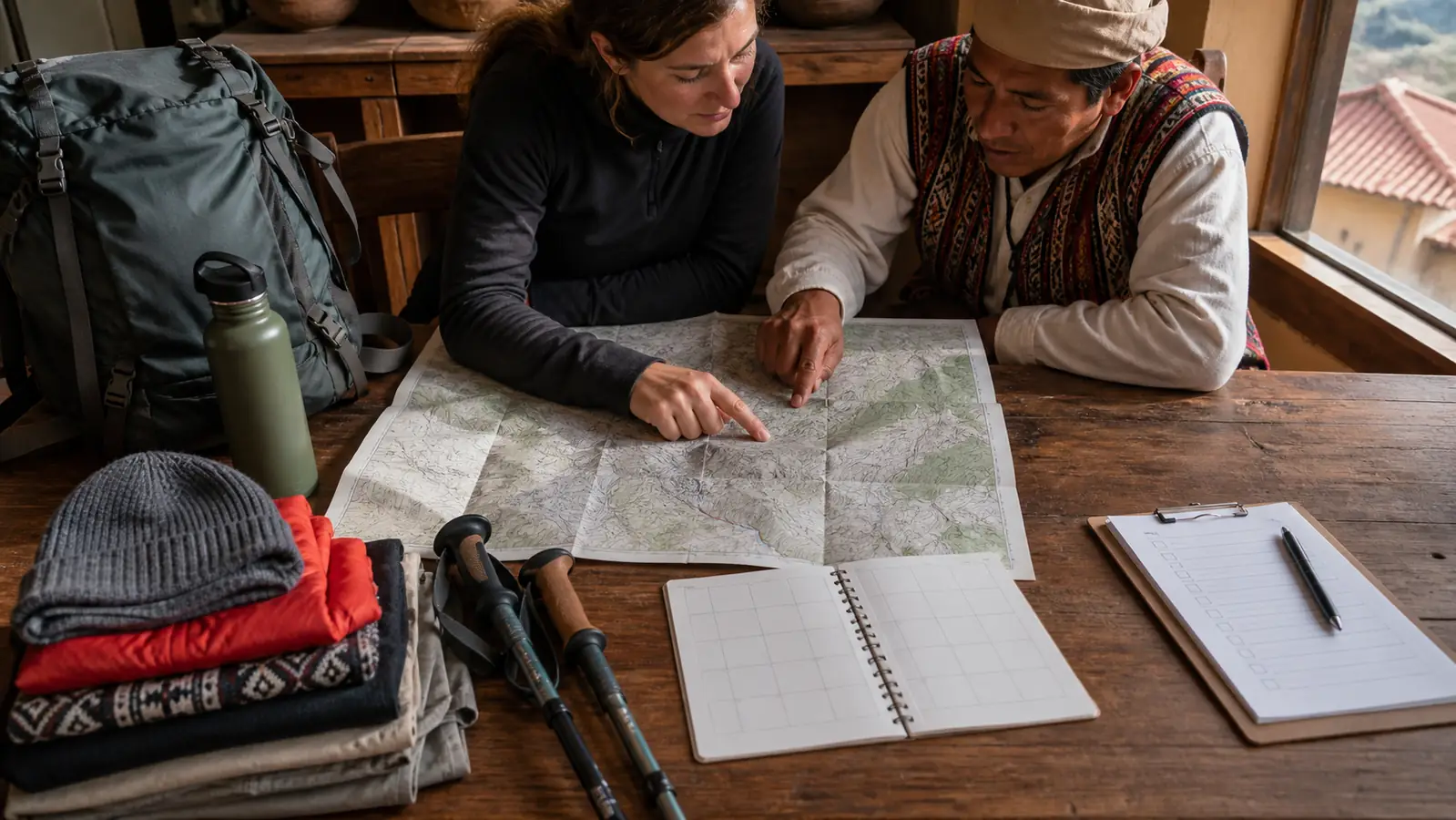
Your equipment should prepare you for several days of hiking without turning your backpack into unnecessary weight.
Important items normally include:
- Comfortable hiking footwear
- Waterproof outer layer
- Warm mid-layer
- Hiking pants
- Hiking socks
- Sun hat
- Warm hat
- Sunglasses
- Sunscreen
- Reusable water bottle
- Headlamp
- Personal medication
- Small daypack
See our detailed Inca Trail packing list before preparing your luggage.
Do Not Carry Your Full Peru Luggage
You do not need to take your main suitcase onto the trail.
Keep the items required for the trek with you and leave unnecessary luggage at your hotel or another appropriate storage point according to your itinerary.
Understand the Camping Experience
The Classic Inca Trail is a multi-day camping trek.
You should expect a very different experience from staying in a hotel each night. Campsites provide a base for rest between hiking days, but facilities are more basic than those found in conventional accommodation.
If camping is completely new to you, learn what to expect before departure rather than discovering everything during your first night on the trail.
Check What Your Inca Trail Tour Includes
Do not compare tours only by price.
Check what is actually included in the service. Depending on the operator and package, this may include:
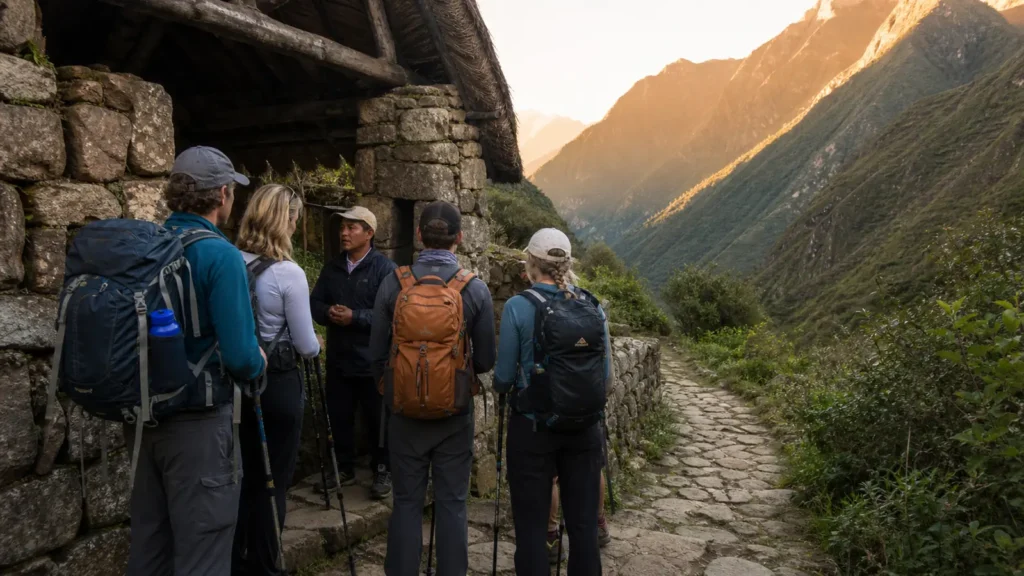
- Professional trekking guide
- Transport to the trail
- Camping equipment
- Meals during the trek
- Porter support
- Trail arrangements
- Machu Picchu arrangements
- Return transportation
Knowing what is included helps you compare services properly and identify any additional expenses before traveling.
Prepare for Changing Weather
Weather in the Andes can change quickly. A dry forecast does not mean you should ignore basic rain protection.
You should prepare for sun, wind, colder temperatures and possible precipitation.
Your travel month will influence what conditions are most likely, so review the seasonal guide together with your packing list.
Keep Important Documents Accessible
Keep your passport and any required travel documents secure and accessible.
The passport information used for your reservation should correspond with the document you travel with.
Inca Trail Planning Checklist
| Planning Step | What to Confirm |
|---|---|
| Route | Classic or Short Inca Trail |
| Availability | Space for your preferred trekking date |
| Passport | Accurate reservation information |
| Acclimatization | Time in Cusco or the Sacred Valley |
| Training | Walking, hills, stairs and endurance |
| Equipment | Footwear, layers and rain protection |
| Luggage | Storage for items not needed on the trek |
| Tour inclusions | Guide, meals, camping and transportation |
How Far in Advance Should You Plan?
The earlier you begin planning, the more flexibility you generally have when comparing travel dates and organizing the rest of your Peru itinerary.
The most important first step is confirming trail availability. Once your dates are secured, you can work backward and organize flights, accommodation, acclimatization days and training.
Common Planning Mistakes
Arriving Too Close to the Trek
Building an itinerary with no room for acclimatization can make the first hiking days more demanding.
Training Only on Flat Ground
The Inca Trail includes repeated climbing and descending. Training exclusively on flat terrain leaves out an important part of preparation.
Overpacking
Carrying unnecessary items increases the weight you deal with during the trek.
Ignoring Rain Protection
Mountain weather can change even during comparatively dry periods.
Booking Before Checking Availability
Confirming flights and hotels before checking your preferred Inca Trail date can make your itinerary harder to adjust.
Frequently Asked Questions About Planning the Inca Trail
Do I need hiking experience?
Previous multi-day trekking experience is useful but not essential for every traveler. You should still prepare physically and understand the route before booking.
Should I arrive in Cusco before the trek?
Allowing time before the hike is useful for acclimatization and for organizing your equipment.
Can I take my suitcase on the Inca Trail?
The trek is not designed for carrying your full travel luggage. Take the equipment needed for the hike and arrange storage for the rest.
Is the Classic Inca Trail suitable for beginners?
Some first-time trekkers complete the route successfully, but beginners should train beforehand and understand the altitude, terrain and camping conditions.
What should I organize first?
Start by choosing your route and checking availability. Once your trekking date is confirmed, organize the rest of the Peru itinerary around it.
Book Your Inca Trail to Machu Picchu
If you want the full trekking experience, explore our 4-Day Inca Trail to Machu Picchu.
Once your departure is confirmed, you can focus on acclimatization, training and preparing the right equipment for the route.