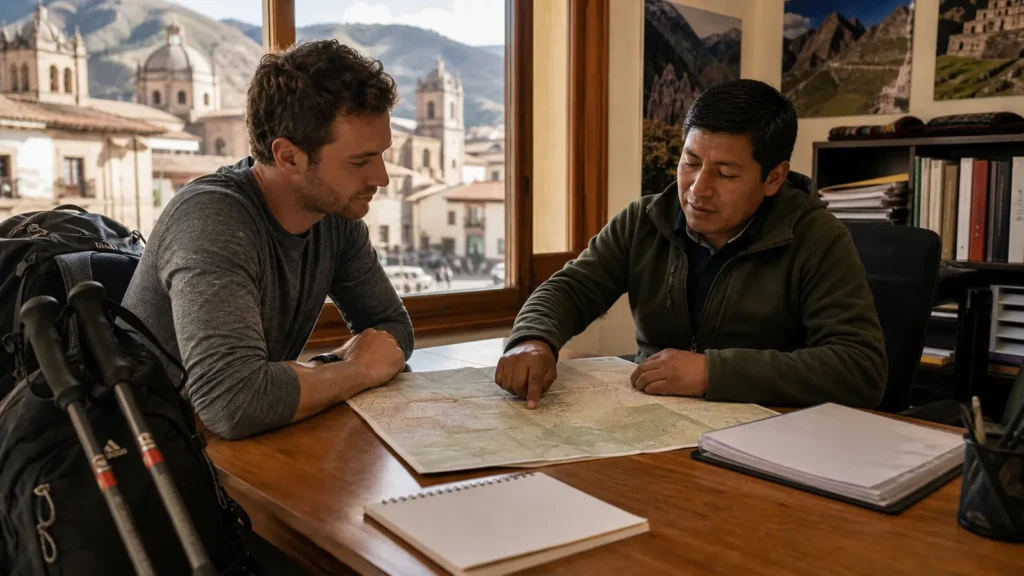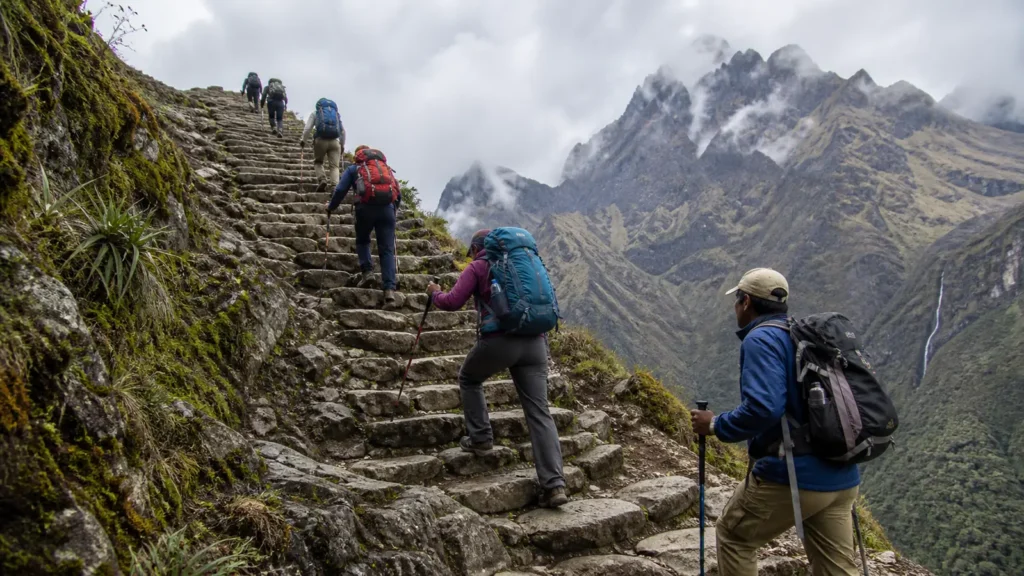

The Inca Trail to Machu Picchu is not a single unrestricted footpath. It is a protected network of historic roads with controlled routes, archaeological sites and operating requirements. Planning well means choosing the right route, confirming regulated availability, preparing for altitude and understanding exactly how the trek connects with the Machu Picchu visit.
This guide is the starting point for the complete Inca Trail cluster. Each section summarizes a decision and links to a detailed resource so you can research without reading the same general advice repeatedly.
Choose Your Inca Trail Route
Classic Inca Trail
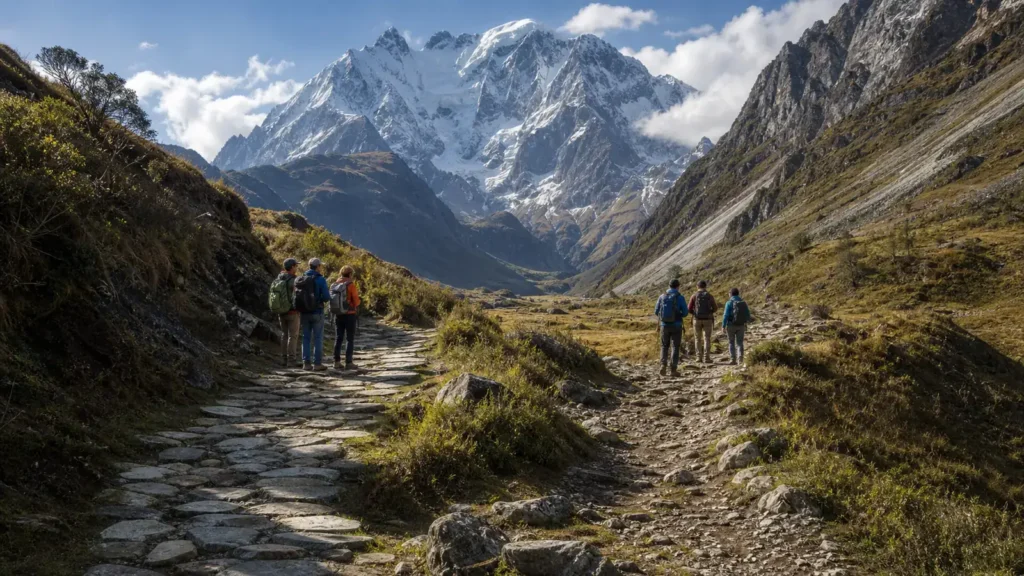
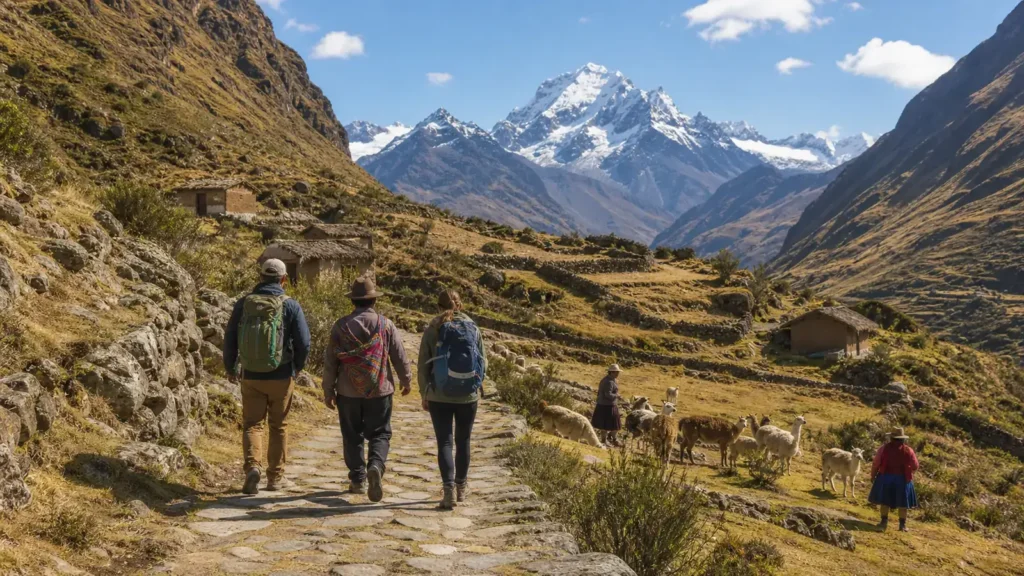
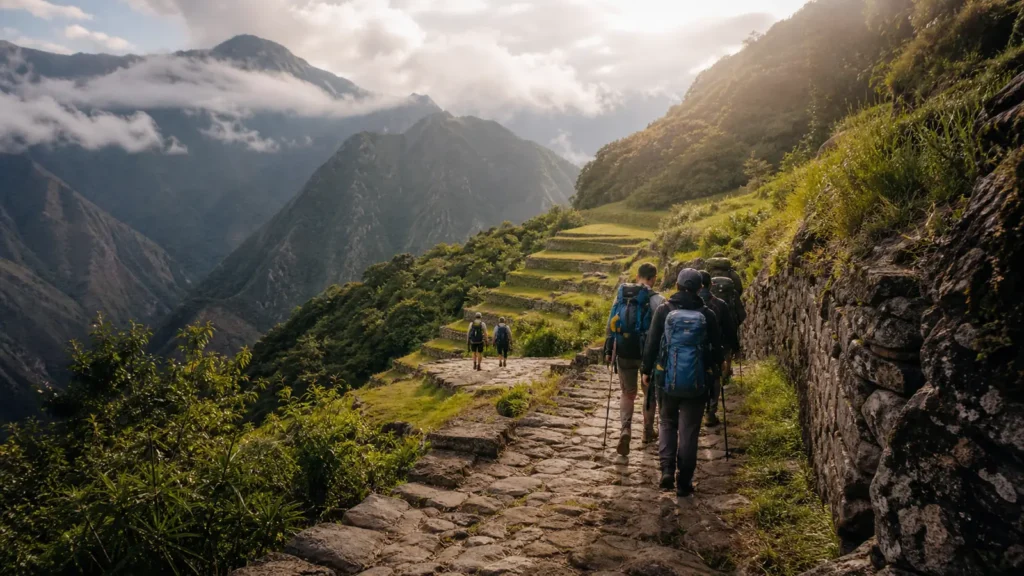
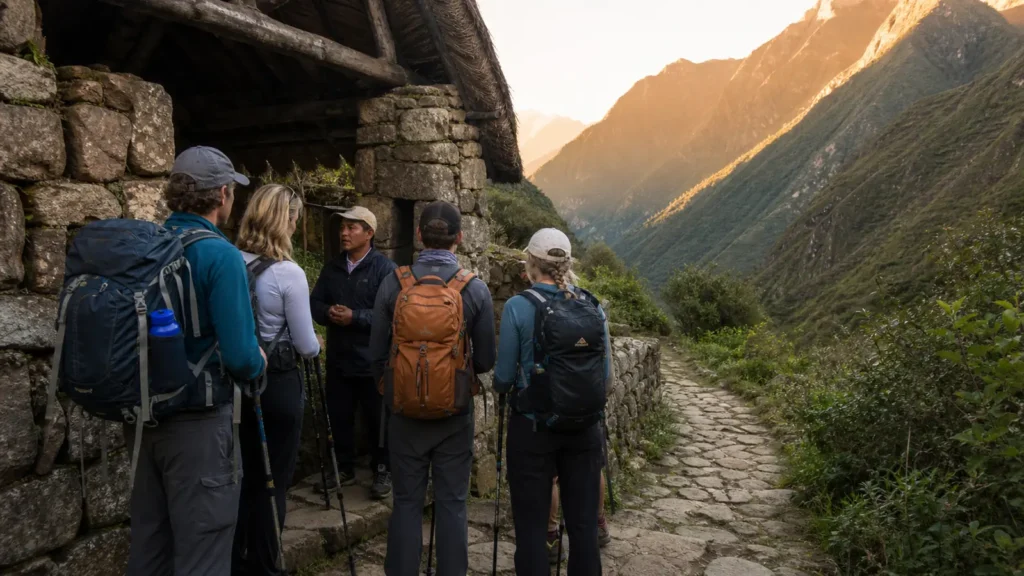
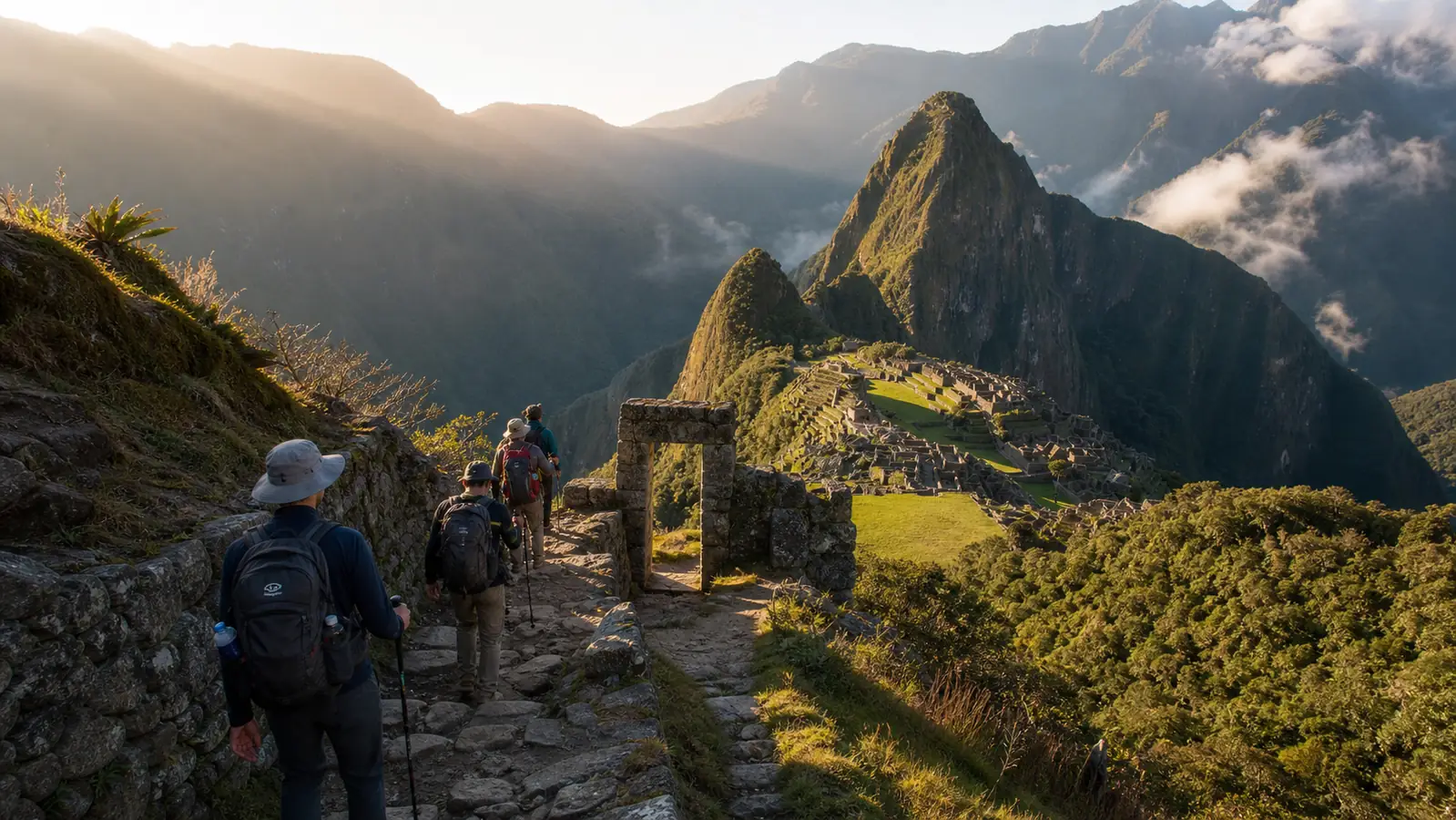
The Classic route is a multi-day camping trek through high passes, original stone paving and several archaeological sites. Its final stages pass Wiñay Wayna and approach Machu Picchu through Intipunku. Choose it when the complete journey is as important as the destination.
Short Inca Trail
The Short route enters near Chachabamba and climbs to Wiñay Wayna before continuing along the historic approach. It avoids the Classic route’s highest passes and multi-night camping but remains a substantial hiking day.
Use the Short vs Classic comparison to match route, time and comfort.
Understand Permits and Availability
Regulated trail entry must be coordinated with traveler details and the Machu Picchu portion of the itinerary. A tour page or informal availability message does not secure a date. Check availability, then read how permits work.
Provide document information accurately and confirm what happens if a passport is renewed. Do not build non-refundable flights around an unconfirmed start date.
How Difficult Is the Inca Trail?
The Classic route combines altitude, long climbs, stone staircases, descents and consecutive hiking days. Dead Woman’s Pass is the highest major point, but cumulative fatigue and downhill control are equally important. The Short route removes the highest passes and camping while retaining sustained ascent and steps.
Assess the route using the difficulty guide, distance guide and elevation profile.
Prepare for Altitude
Fitness does not prevent altitude illness. Arrive with time to acclimatize, use a sustainable pace and communicate symptoms early. The altitude guide explains key elevations and preparation principles.
Train for the Trek
A practical program includes aerobic work, hills, stairs, leg strength, balance and back-to-back walks. Train descents as well as climbs and gradually test the daypack and footwear. Follow the training guide.
Weather and the Best Time to Hike
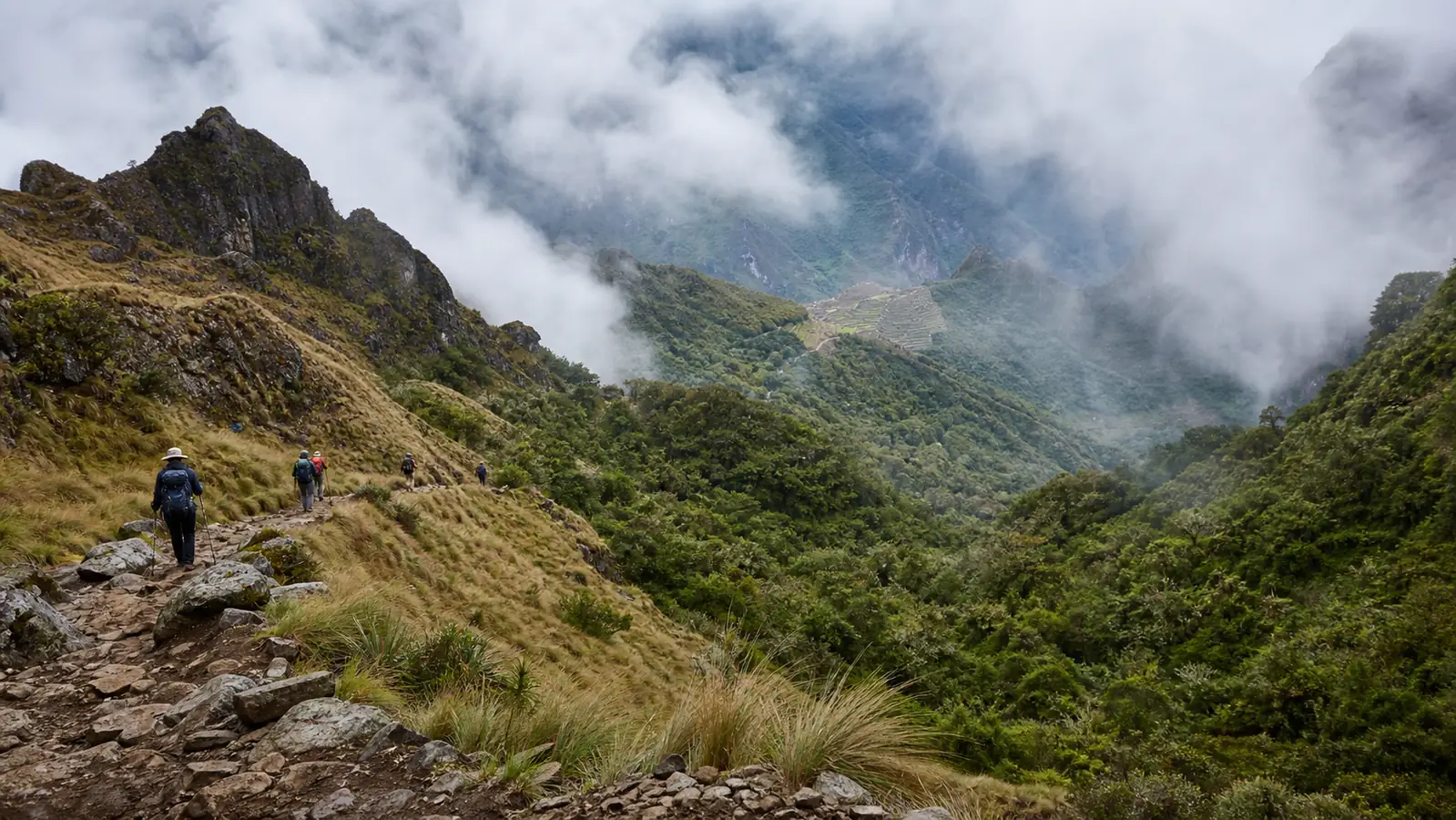
Dry and wet seasons describe tendencies, not guarantees. Drier months often bring more stable conditions and cold nights; wetter months can bring rain, cloud, green scenery and slippery stone. February normally involves maintenance of the regulated trail network, subject to official notices.
Compare the best time to hike, the detailed weather guide and monthly articles from March through December.
Pack Efficiently
Use layers, functional rain protection, sun protection, warm camp clothing and broken-in footwear. Separate items carried in the daypack from those handled by support staff, following the operator’s rules. Use the complete packing list.
Understand the Route
The Classic route progresses from the Urubamba Valley toward Dead Woman’s Pass, Runkurakay, Sayacmarca, Phuyupatamarka, Intipata, Wiñay Wayna and Intipunku. Camps vary by assignment. See the route map and campsite guide.
Facilities and Bathrooms
Facilities are basic and vary along the protected route. Carry personal hygiene supplies and follow waste rules. Read the bathrooms guide before setting expectations.
Compare Alternative Treks
Salkantay emphasizes high-mountain scenery and a higher pass; Lares can emphasize communities and rural valleys. They commonly approach Machu Picchu differently from the Classic route. Compare Inca Trail vs Salkantay and Inca Trail vs Lares.
Cost and Package Inclusions
Compare permits, transport, guides, group size, equipment, meals, baggage support and Machu Picchu arrangements rather than only the headline price. Use the cost guide.
Book Step by Step
- Choose Classic or Short.
- Provide several dates.
- Check difficulty and health considerations.
- Compare written inclusions.
- Submit accurate documents.
- Review conditions and payment.
- Receive confirmation.
- Arrange acclimatization and preparation.
The booking guide expands every step.
Frequently Asked Questions
Can I hike independently?
The regulated network has controlled access and operating requirements. A map alone does not authorize entry.
Which route is best?
Classic for the full multi-day archaeological journey; Short for a condensed historic approach without the same camping expedition.
When should I book?
Check as soon as you know a realistic travel window. No universal lead time guarantees a space.
Plan Your Trek
Review the Classic Inca Trail 4 Days or Short Inca Trail 2 Days, then request confirmation for your dates.